Why Some Children Never Grow Out of Thumb Sucking
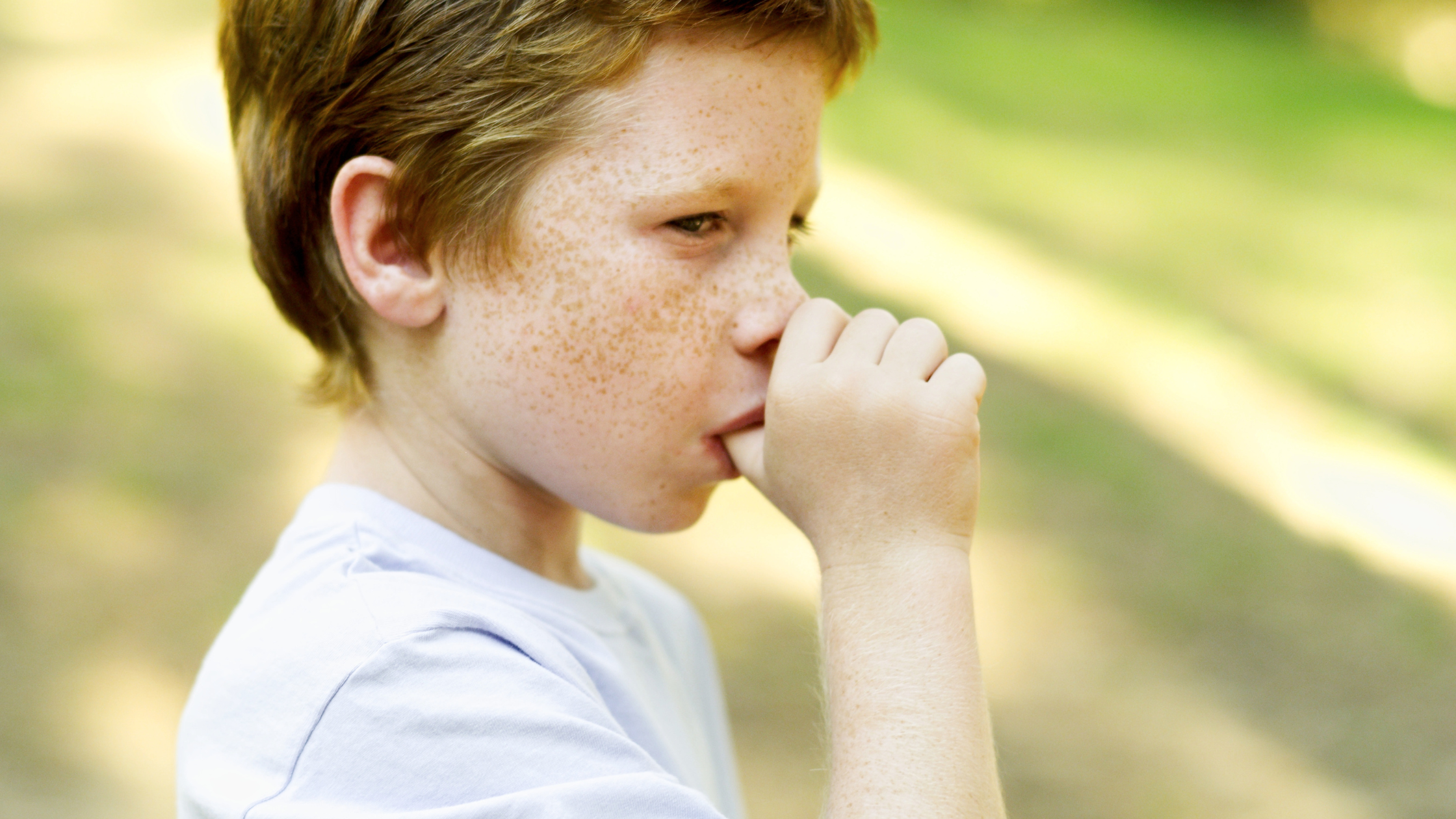
You notice it when your child is tired, overwhelmed, or focused on something almost without thinking, their thumb slips into their mouth. That familiar habit makes you wonder: why hasn’t my child outgrown thumb sucking?
In the early years, persistent thumb sucking in children is often seen as normal. You may have been told by family, friends, or even professionals to “just wait it out.” But as your child grows older, that reassurance can start to feel less convincing especially if concerns about teeth, speech, or jaw development are emerging.
If your child continues thumb sucking after age 5, it usually isn’t a matter of stubbornness or discipline. There’s often an underlying reason related to oral habits, nervous system regulation, or developmental needs that keeps the habit in place.
Thumb Sucking Is Often a Regulation Tool, Not a Bad Habit
Thumb sucking is commonly labeled as a habit, but for many children, it functions as something much more important: a self-regulation strategy.
Sucking is one of the earliest calming mechanisms humans have. It activates the parasympathetic nervous system—the part of the body responsible for rest, digestion, and calm. That’s why babies instinctively suck to soothe themselves, and why some children continue to rely on this strategy longer than expected.
For children with persistent thumb sucking, the behavior is often helping them:
Calm their body during stress
Manage big emotions
Feel grounded during transitions
Focus or concentrate
Fall asleep or stay regulated at night
When thumb sucking serves a purpose for the nervous system, it doesn’t disappear just because a child is told to stop.
When Thumb Sucking Typically Fades and When It Doesn’t
Many children explore thumb or finger sucking in infancy and toddlerhood. For most, it naturally fades between ages 2 and 4 as their nervous system matures and they develop other ways to self-soothe.
Thumb sucking is more likely to persist when:
It continues beyond age 4–5
It happens during the day, not just at sleep
It increases during stress or emotional moments
The child reports they “can’t stop”
Previous attempts to eliminate it have failed
At this point, the behavior is less about habit and more about an unmet need.
The Nervous System Connection Parents Often Miss
One of the biggest reasons children don’t outgrow thumb sucking is nervous system immaturity or dysregulation.
Children with sensitive nervous systems may experience the world as more intense—sounds feel louder, transitions feel harder, and emotional responses are bigger. Thumb sucking provides predictable, calming input that helps their body feel safe.
This is especially common in children who:
Experience anxiety
Have difficulty with emotional regulation
Struggle with transitions or change
Have a history of early medical interventions
Appear “highly sensitive” or perfectionistic
Importantly, stress in children doesn’t always look like distress. It may show up as compliance, withdrawal, irritability, or persistent oral habits.
Oral Sensory Needs and Persistent Thumb Sucking
Some children continue thumb sucking because they have higher oral sensory needs.
The mouth is a powerful sensory system. Sucking provides:
Deep pressure to the jaw
Constant proprioceptive input
Rhythmic, organizing movement
Children who seek oral input may also:
Chew on sleeves, toys, or pencils
Prefer crunchy or chewy foods
Be picky eaters
Avoid certain textures
Have difficulty sitting still
For these children, thumb sucking is meeting a sensory need. Removing it without offering alternatives often leads to replacement behaviors—or a return to thumb sucking later.
Structural and Airway Factors That Sustain the Habit
Sometimes, persistent thumb sucking is tied to oral structure and breathing patterns, not just behavior or emotions.
Children who mouth breathe or have airway restrictions may subconsciously use thumb sucking to stabilize their oral space or maintain airflow.
Contributing factors can include:
Mouth breathing
Enlarged tonsils or adenoids
Tongue ties
Low tongue resting posture
Narrow palate
In these cases, thumb sucking can feel physically regulating. Unfortunately, the habit can also worsen oral development over time, reinforcing the cycle.
Why “They’ll Grow Out of It” Can Be Harmful Advice
While many children do outgrow thumb sucking, assuming all children will can delay necessary support.
Persistent thumb sucking often doesn’t resolve on its own when:
The habit supports nervous system regulation
There are underlying airway or oral issues
The child feels shame or pressure around stopping
Elimination attempts focus only on behavior
Waiting too long can make elimination harder later, especially once dental and facial growth changes begin.
Long-Term Effects of Persistent Thumb Sucking
When thumb sucking continues over time, it can impact more than appearance.
Potential effects include:
Open bite or protruding front teeth
Narrow palate
Changes in jaw growth
Speech sound distortions
Swallowing pattern difficulties
Orthodontic relapse after braces
Not every child will experience all of these but the risks increase the longer the habit persists.
Why Traditional “Stop the Habit” Methods Often Fail
Sticker charts, reminders, gloves, or bitter nail polish focus on stopping behavior, not supporting the system driving it.
When a child loses their primary regulation tool without gaining another:
Anxiety can increase
Emotional outbursts may worsen
Sleep can be disrupted
The habit may go underground
Children don’t stop behaviors that help them feel safe unless they are offered an alternative that meets the same need.
A More Effective Way to Think About Thumb Sucking
Instead of asking:
“How do I make my child stop thumb sucking?”
Try asking:
“What is my child’s body getting from this?”
When you understand the function of the behavior, you can address the root—rather than battling the symptom.
Frequently Asked Questions About Persistent Thumb Sucking
My Child Is Still Sucking His Thumb. What Should I Do?
Start by observing when and why the thumb sucking happens. Is it during stress, fatigue, boredom, or focus? This gives valuable insight into what the behavior is providing.
Rather than forcing it to stop, consider:
Supporting nervous system regulation
Offering oral sensory alternatives
Addressing breathing or oral posture concerns
Seeking guidance from a provider who understands oral habits and development
A supportive, whole-child approach is far more effective than pressure.
At What Age Should I Be Concerned About Thumb Sucking?
Concern typically increases when thumb sucking continues beyond age 4–5, especially if it occurs during waking hours or is paired with dental, speech, or breathing concerns.
Can Thumb Sucking Affect Speech?
Yes. Persistent thumb sucking can contribute to:
Tongue placement issues
Distorted speech sounds
Difficulty with proper swallowing patterns
This doesn’t happen in every case, but it is a common reason families seek support.
Will My Child Stop on Their Own Eventually?
Some children do but many with persistent thumb sucking won’t without addressing the underlying cause. If the behavior is meeting a regulatory or sensory need, it often remains until that need is met another way.
Is Thumb Sucking Linked to Anxiety?
Thumb sucking is often associated with self-soothing, which can increase during anxiety or emotional overwhelm. This doesn’t mean something is “wrong,” but it does signal that the child may need more support with regulation.
When Professional Support Can Help
You may want to seek support if:
Thumb sucking persists past age 5
Your child wants to stop but can’t
Dental or orthodontic changes are appearing
There are feeding, speech, or breathing concerns
Therapy that addresses the mouth–body–nervous system connection can make elimination gentler and more successful.
Thoughts for Parents
Persistent thumb sucking is not a parenting failure. It’s not defiance. And it’s not something your child is doing on purpose. It’s information.
When we listen to what the behavior is communicating, we can support real, lasting change without shame or power struggles.
At Myo Speech Solutions, we look beyond the habit to understand why it’s there so families can move forward with clarity and confidence.
👉 Book a discovery call to talk through your child’s thumb sucking and explore supportive options that actually address the root.