Feeding Red Flags in the First Year Parents Are Often Told to Ignore
As a new parent, you're bombarded with advice from every direction. Well-meaning relatives, friends, and even some healthcare providers might brush off your concerns about your baby's feeding with phrases like "every baby is different" or "they'll grow out of it." While it's true that infants develop at their own pace, some infant feeding red flags deserve immediate attention rather than a wait-and-see approach.
Understanding which feeding concerns warrant professional evaluation can make the difference between early intervention and prolonged struggles that affect your child's growth, development, and your family's quality of life.

Why Infant Feeding Red Flags Get Dismissed
Before we dive into specific warning signs, it's important to understand why these concerns are often minimized. Many parents hear dismissive responses because:
Cultural normalization of feeding difficulties. When multiple families in a community struggle with similar issues, those problems can become viewed as "normal" rather than addressable concerns.
Outdated information. Some healthcare providers may not have current training in pediatric feeding disorders or the latest research on early feeding development.
The growth chart trap. If your baby is gaining weight, feeding problems may be overlooked even when other concerning signs are present. Weight gain alone doesn't tell the complete story of feeding health.
Minimization of parent intuition. You know your baby best. When something feels wrong, that instinct deserves investigation, not dismissal.
Critical Infant Feeding Red Flags in the First Three Months
The earliest months set the foundation for healthy feeding patterns. Watch for these warning signs:
Persistent Feeding Difficulties
If your newborn consistently takes longer than 30-40 minutes to complete a feeding, this could signal an underlying issue. Exhausting before finishing a bottle or breast, falling asleep repeatedly during feeds, or seeming to work extremely hard to eat are all infant feeding red flags that warrant evaluation.
Unusual Sounds or Patterns
Clicking, gulping, or choking sounds during feeding aren't just quirks to ignore. These noises may indicate problems with latch, suck-swallow coordination, or anatomical issues like tongue tie. Similarly, if your baby coughs, gags, or sputters regularly while eating, seek professional guidance.
Milk Leaking from the Nose
This isn't normal and could indicate issues with the soft palate or swallowing mechanism. Don't let anyone tell you it's something your baby will simply outgrow.
Refusal or Extreme Fussiness
While some fussiness is typical, if your infant consistently refuses feeds, arches away from the bottle or breast, or screams before or during feeding, these are significant infant feeding red flags. This behavior often indicates pain or discomfort associated with eating.
Poor Weight Gain or Weight Loss
If your baby isn't regaining their birth weight by two weeks or shows poor weight gain patterns, immediate intervention is needed. This is one feeding concern that rarely gets dismissed, but it often appears alongside other red flags that do.
Red Flags from Four to Six Months
As your baby grows, new feeding milestones emerge. These warning signs become particularly important:
Continued Bottle or Breast Feeding Struggles
If early feeding difficulties persist past three months despite trying various interventions, don't accept "give it more time" as an answer. Ongoing struggles with coordination, endurance, or volume intake need professional assessment.
Inability to Progress with Spoon Feeding
Around four to six months, babies begin exploring purees. If your infant has an extremely sensitive gag reflex, cannot tolerate a spoon near their mouth, or seems unable to manage even the thinnest purees, these are infant feeding red flags worth investigating.
Texture Aversions
Strong negative reactions to different textures on or around the face can signal sensory processing concerns that may impact feeding development.
Limited Mouth Movements
Babies should begin exploring their hands, toys, and various objects with their mouths during this period. If your infant avoids mouthing objects or shows limited oral exploration, this could affect feeding skill development.
Warning Signs from Seven to Twelve Months
The second half of the first year brings rapid feeding development. Don't ignore these concerns:
Refusal to Progress to Textured Foods
By eight to nine months, most babies can handle mashed table foods and soft chunks. If your baby only tolerates completely smooth purees or gags violently with any texture, this represents a significant feeding concern.
Inability to Self-Feed
Babies typically begin picking up small pieces of food between seven and nine months. If your infant shows no interest in self-feeding, cannot grasp finger foods, or refuses to bring food to their mouth, evaluation may be needed.
Extreme Selectivity
While preferences are normal, accepting only one or two foods or refusing entire categories like proteins or vegetables could indicate developing feeding problems rather than typical pickiness.
Prolonged Meal Times
If meals regularly take more than 30 minutes and feel like battles, with your baby showing distress, crying, or shutting down, these are important infant feeding red flags that shouldn't be normalized.
Gagging or Choking Frequently
Occasional gagging as babies learn new textures is expected, but frequent gagging, especially with appropriate textures, or actual choking episodes require immediate professional attention.
Physical Signs Often Overlooked
Some infant feeding red flags are physical rather than behavioral:
Oral Structural Concerns
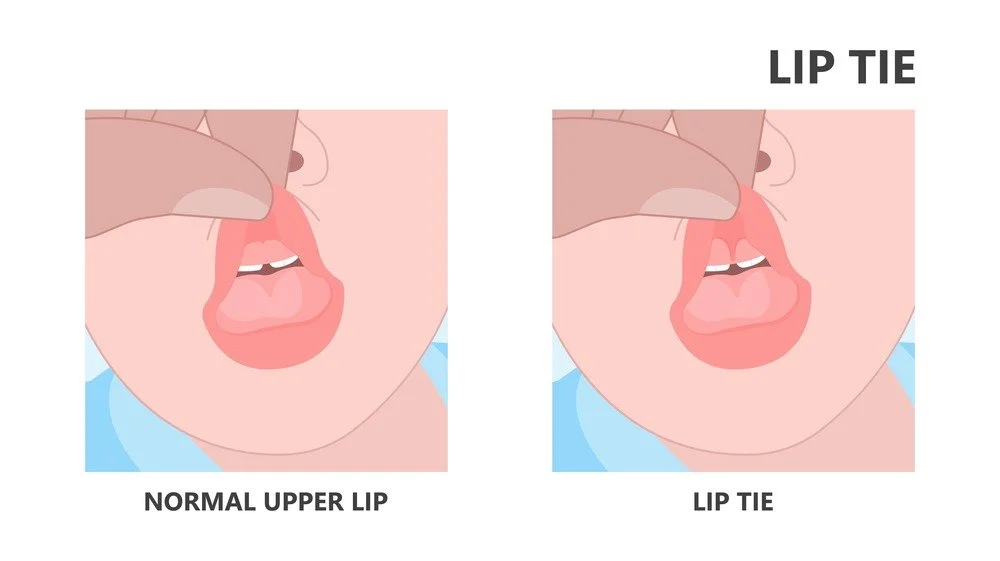
Tongue ties, lip ties, high or narrow palates, and other anatomical variations can significantly impact feeding. If you notice these structures or if feeding is painful for you as a nursing parent, seek evaluation from a provider experienced in identifying these issues.
Respiratory Issues During Feeding
Breathing changes, color changes, or increased respiratory effort during or after eating aren't normal and need immediate evaluation.
Excessive Drooling or Difficulty Managing Saliva
While some drooling is typical when teething begins, excessive drooling paired with other feeding concerns may indicate oral motor weakness.
Postural Issues
If your baby cannot sit with support by nine months or shows significant trunk weakness that affects feeding positioning, physical therapy evaluation is warranted.
The Consequences of Ignoring Infant Feeding Red Flags
When feeding concerns are dismissed or delayed, several problems can develop:
Nutritional deficiencies that affect growth and development. Even if weight gain seems adequate, vitamin and mineral deficiencies can occur with restricted diets.
Feeding aversions that become increasingly difficult to treat. Early negative associations with eating can create long-term battles at the table.
Delayed oral motor skills that impact not just eating but also speech development. The muscles used for feeding are the same ones needed for clear articulation.
Family stress and mealtimes becoming sources of anxiety rather than connection. When every meal is a struggle, the entire family's quality of life suffers.
Social and developmental impacts as your child grows and eating becomes a more social experience.
What Parents Should Do Instead
If you recognize infant feeding red flags in your baby, take these steps:
Trust your instincts. You know your baby better than anyone. If something feels wrong, pursue answers even if you've been told not to worry.
Document specific concerns. Keep detailed notes about what you're observing, when it happens, and how often. Video can be especially helpful.
Seek specialists. Look for pediatric feeding therapists, occupational therapists, speech-language pathologists, or lactation consultants who specialize in infant feeding. Not all providers have this expertise.
Request evaluations. Don't wait for permission. You can often self-refer to early intervention programs or therapy services depending on your location.
Get multiple opinions. If one provider dismisses your concerns but they persist, seek additional professional perspectives.
The Importance of Early Intervention
Research consistently shows that early identification and treatment of feeding problems leads to better outcomes. Babies have remarkable neuroplasticity in the first year, meaning their brains are incredibly responsive to intervention. What might be relatively simple to address at six months could become significantly more challenging if left until toddlerhood.
Early intervention for infant feeding red flags can prevent the development of feeding disorders, support healthy weight gain and nutrition, reduce parental stress and anxiety, and promote positive relationships with food that last a lifetime.
When to Seek Emergency Care
While most infant feeding red flags require prompt but not emergency attention, seek immediate medical care if your baby:
Stops breathing or turns blue during feeding
Shows signs of severe dehydration
Has projectile vomiting after most feeds
Refuses all feeds for more than a few hours
Shows signs of allergic reaction during or after eating
Loses weight rapidly or fails to produce wet diapers
You're Not Overreacting
Perhaps the most important message for parents: your concerns are valid. The phrase "every baby is different" shouldn't be used to dismiss legitimate infant feeding red flags. Yes, babies develop at individual paces, but significant struggles with a fundamental life skill like eating deserve professional attention.
Feeding difficulties are never a reflection of your parenting abilities. These challenges often have physiological, neurological, or developmental roots that require specialized intervention. Seeking help is the right choice for your baby's health and your family's wellbeing.
Moving Forward with Confidence
Understanding infant feeding red flags empowers you to advocate effectively for your baby. Don't let dismissive responses prevent you from seeking the support your family needs. The first year is critical for establishing healthy feeding patterns, and addressing concerns early can prevent years of struggle.
If you've noticed concerning feeding patterns in your infant, you don't have to navigate this alone. Early assessment and support can make all the difference in your baby's feeding journey and your confidence as a parent.
Ready to Get Answers About Your Baby's Feeding?
If you're concerned about infant feeding red flags you've noticed in your little one, we're here to help. Our specialized team understands that feeding difficulties need prompt attention, not dismissive "wait and see" approaches.
Schedule your free consultation today. During this no-obligation call, we'll listen to your concerns, discuss what you're observing, and help you understand whether evaluation and intervention could benefit your baby. You'll get expert guidance without pressure, and clear next steps based on your family's unique situation.
Don't wait for problems to resolve on their own or for someone to finally take your concerns seriously. Trust your instincts and reach out today. Your baby's feeding journey matters, and so do your concerns.
Contact us now to schedule your free consultation and take the first step toward stress-free mealtimes and confident feeding.