Dark Circles, ADHD-Like Symptoms, and Mouth Breathing: The Overlooked Link
When parents notice dark circles under their child's eyes paired with difficulty concentrating, restlessness, or behavioral challenges, ADHD often comes to mind first. However, there's a surprising and frequently overlooked connection that could explain these symptoms: mouth breathing. Understanding mouth breathing symptoms in children can be the key to addressing what may appear to be attention and behavioral issues.

The Hidden Connection Between Breathing and Behavior
Most people don't give much thought to how they breathe, but the difference between nasal breathing and mouth breathing can profoundly impact a child's health, appearance, and behavior. When children consistently breathe through their mouths rather than their noses, it sets off a cascade of effects throughout their bodies that can mimic or even contribute to conditions like ADHD.
The connection isn't immediately obvious, which is why so many parents and even healthcare providers miss it. A child struggling in school, appearing hyperactive, or having difficulty sleeping might undergo extensive behavioral evaluations without anyone considering their breathing pattern as a potential root cause.
Recognizing Mouth Breathing Symptoms in Children
Identifying mouth breathing symptoms in children is the first step toward addressing potential underlying issues. These symptoms often present in clusters and may include:
Physical Signs:
Dark circles or "allergic shiners" under the eyes
Dry, chapped lips
Chronic bad breath
Open mouth posture, especially during sleep
Elongated facial structure or changes in facial development
Crowded or crooked teeth
High, narrow palate
Behavioral and Cognitive Signs:
Difficulty concentrating or maintaining attention
Hyperactivity or restlessness
Impulsivity
Poor academic performance
Irritability or mood swings
Daytime fatigue despite adequate sleep hours
Sleep-Related Signs:
Snoring or noisy breathing during sleep
Restless sleep or frequent waking
Bedwetting beyond typical age
Sleeping in unusual positions (head tilted back or to the side)
Nightmares or night terrors
Many parents dismiss these signs as separate issues or normal childhood phases, not realizing they're interconnected manifestations of mouth breathing.
Why Dark Circles Appear
Those telltale dark circles under a child's eyes, often called allergic shiners, are one of the most visible mouth breathing symptoms in children. They occur due to congestion and poor oxygen circulation. When a child breathes through their mouth, it typically indicates nasal obstruction or airway restriction. This leads to venous congestion in the small blood vessels around the eyes, creating a darkened, bruised appearance.
The reduced oxygen intake from inefficient mouth breathing also means tissues throughout the body, including the delicate skin around the eyes, aren't receiving optimal oxygenation. This contributes to the characteristic shadowed look that concerned parents often notice first.
The ADHD Connection: More Than Coincidence
The overlap between mouth breathing symptoms in children and ADHD symptoms is striking and increasingly supported by research. Children who mouth breathe often experience fragmented, poor-quality sleep due to disrupted breathing patterns. This sleep deprivation directly impacts the prefrontal cortex, the area of the brain responsible for attention, impulse control, and executive function.
When children don't get restorative sleep because they're struggling to breathe properly at night, they exhibit many of the same symptoms seen in ADHD:
Inability to focus or complete tasks
Hyperactivity as the body fights fatigue
Impulsive decision-making
Emotional dysregulation
Difficulty with memory and learning
In some cases, addressing the breathing issue resolves what appeared to be ADHD symptoms entirely. In others, mouth breathing may be one contributing factor among several that need attention.
What Causes Mouth Breathing in Children?
Understanding the root causes of mouth breathing symptoms in children helps guide appropriate interventions. Common causes include:
Structural Issues:
Enlarged tonsils or adenoids blocking the airway
Deviated septum
Narrow nasal passages
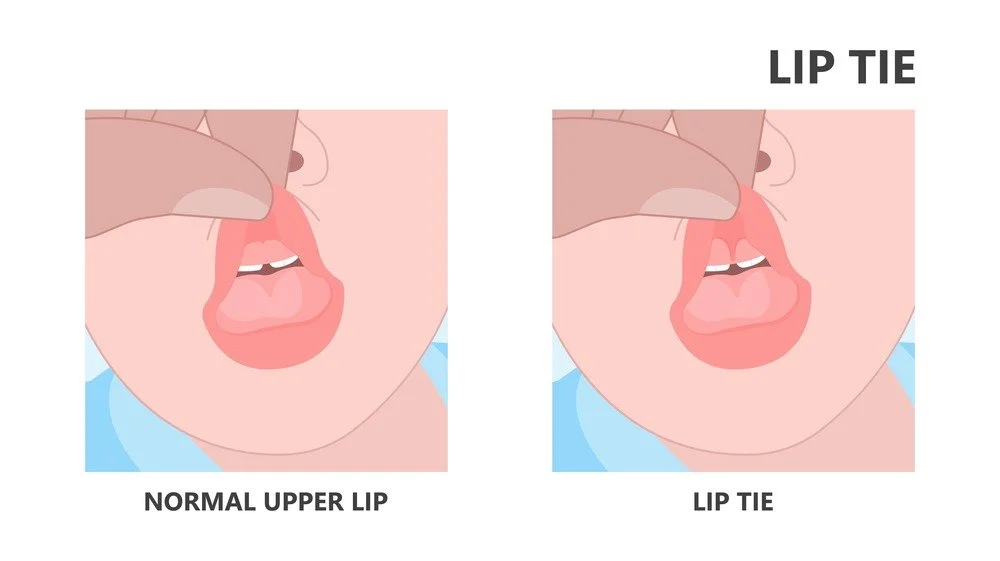
Tongue tie or other oral restrictions
Environmental and Health Factors:
Chronic allergies
Frequent upper respiratory infections
Chronic sinus congestion
Asthma
Habitual Patterns:
Prolonged pacifier or thumb-sucking
Habits formed during periods of congestion that persist
Sometimes multiple factors combine to create mouth breathing patterns that become entrenched over time.
The Long-Term Impact of Untreated Mouth Breathing
When mouth breathing symptoms in children go unaddressed, the consequences extend beyond immediate behavioral and sleep concerns. Chronic mouth breathing during critical developmental years can lead to:
Facial and Dental Development Issues: Proper nasal breathing helps shape facial structure. Children who mouth breathe often develop what's called "long face syndrome," characterized by a narrow face, recessed chin, and dental malocclusion. The tongue's position during mouth breathing doesn't provide the necessary support for proper palate development.
Increased Health Risks: The nose filters, warms, and humidifies air while also producing nitric oxide, which has antimicrobial properties and helps with oxygen absorption. Mouth breathing bypasses all these protective mechanisms, potentially increasing susceptibility to respiratory infections and reducing overall oxygen efficiency.
Academic and Social Challenges: Children struggling with concentration, fatigue, and behavioral issues often fall behind academically and may face social difficulties. What begins as a breathing problem can snowball into broader life challenges.
Recognizing the Signs Early
Parents and caregivers should watch for mouth breathing symptoms in children from an early age. Observing your child during sleep is particularly revealing. Does their mouth fall open? Do they snore, even lightly? Do they seem restless or wake frequently? During the day, notice if they tend to keep their mouth open, especially when concentrating or at rest.
Early intervention makes a significant difference. Young children's bodies are still developing, making it easier to guide proper growth and establish healthy breathing patterns before structural changes become more pronounced.
Treatment and Solutions
Addressing mouth breathing symptoms in children requires identifying and treating the underlying cause. Treatment approaches may include:
Medical Interventions:
Evaluation by an ENT specialist for possible adenoid or tonsil removal
Allergy testing and management
Treatment for chronic sinusitis or other infections
Orthodontic and Myofunctional Therapy:
Palatal expanders to widen the upper jaw
Myofunctional therapy to retrain tongue position and breathing patterns
Exercises to strengthen facial muscles and promote nasal breathing
Environmental Modifications:
Reducing allergens in the home
Using air purifiers
Maintaining proper humidity levels
Eliminating irritants like cigarette smoke
Behavioral Approaches:
Gentle reminders and positive reinforcement for nose breathing
Breathing exercises and awareness practices
Addressing habits like thumb-sucking that contribute to mouth breathing
A multidisciplinary approach often yields the best results, with pediatricians, dentists, orthodontists, ENT specialists, and myofunctional therapists working together.
The Role of Professional Assessment
While parents can recognize potential mouth breathing symptoms in children, professional evaluation is essential for proper diagnosis and treatment planning. A comprehensive assessment might include:
Sleep study to evaluate breathing during sleep
Airway evaluation by an ENT specialist
Orthodontic assessment of jaw and palate development
Allergy testing if indicated
Evaluation of tongue and oral function
These assessments help create a complete picture of what's contributing to mouth breathing and how best to address it.
Hope and Healing
The good news is that mouth breathing symptoms in children are treatable, and early intervention can prevent many long-term complications. Parents who notice dark circles, behavioral challenges, or sleep issues in their children shouldn't dismiss these signs as inevitable or unchangeable.
Many families report dramatic improvements in their children's behavior, academic performance, sleep quality, and overall health once breathing issues are addressed. Children who previously struggled with attention and hyperactivity may show remarkable improvements without ever needing behavioral interventions or medication, simply by restoring proper nasal breathing.
Taking the First Step
If you recognize mouth breathing symptoms in children within your own family, you're already ahead in the journey toward better health. Understanding the connection between breathing, sleep, behavior, and development empowers you to advocate effectively for your child's needs.
Don't wait for problems to worsen or for more obvious symptoms to develop. The subtle signs like dark circles, restlessness, difficulty concentrating, are your child's body signaling that something needs attention. Early action can change the trajectory of your child's health, development, and quality of life.
Ready to Learn More?
If your child shows signs of mouth breathing, dark circles, or ADHD-like symptoms, you don't have to navigate this alone. Understanding the connection between breathing patterns and overall health is the first step, but professional guidance is essential for creating an effective treatment plan.
We invite you to schedule a free consultation to discuss your child's specific symptoms and explore potential solutions. During this consultation, we'll review your concerns, discuss the connections between breathing and behavior, and help you understand what steps might be appropriate for your situation.
Your child's health and development are too important to leave to chance. Reach out today for your free consultation and discover how addressing breathing issues could transform your child's wellbeing, academic success, and quality of life. Together, we can help your child breathe easier and thrive.
Contact us now to schedule your free consultation and take the first step toward better health for your child.