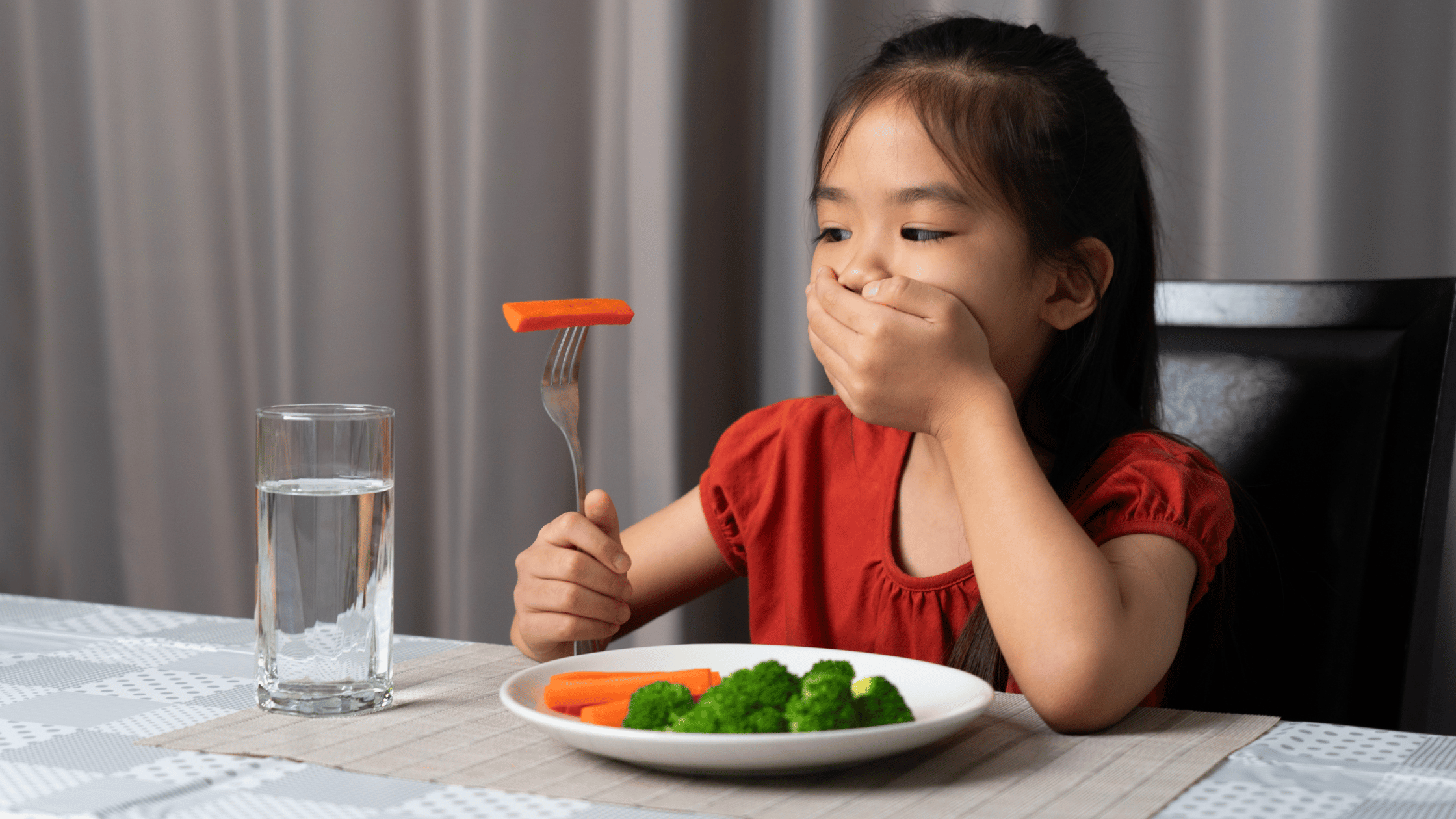
How Feeding Therapy Helps Picky Eaters, Gagging, and Texture Sensitivities
If mealtimes feel tense, stressful, or predictable in all the wrong ways, you’re far from alone. Many parents reach a moment where they wonder:
“Is this normal picky eating… or is something else going on?”
When your child gags on new foods, avoids whole textures, or refuses anything outside their comfort zone, it can feel confusing—and honestly exhausting. You want your child to eat well and enjoy food, but pushing harder doesn’t work, and backing off doesn’t seem to help either.
This is exactly where feeding therapy for picky eaters can make a meaningful difference.
Feeding therapy doesn’t pressure kids to eat. Instead, it asks a more important question:
Why does eating feel hard for this child?
From there, we build skills, safety, and confidence—so mealtimes become less of a battle and more of a connection point.
In the sections ahead, we’ll walk through how feeding therapy helps with picky eating, gagging, and texture sensitivities, and what kind of progress families can expect along the way.

Why Some Kids Struggle With Eating (It's Not Just “Being Picky”)
Kids rarely avoid foods “for no reason.” There’s usually an underlying barrier that makes eating uncomfortable, unsafe, or overwhelming.
Common root causes include:
1. Oral motor challenges
Some children struggle with the mechanics of eating. If their tongue, lips, and jaw aren’t coordinating well, certain textures feel too hard or too unpredictable. This often leads to:
gagging
difficulty chewing
avoiding mixed textures
preferring only crunchy or only soft foods
2. Sensory sensitivities
Kids with sensory processing differences may be overwhelmed by:
squishy or wet textures
strong smells
mixed consistencies (like casseroles or fruit cups)
For these kids, the sensory experience of eating is genuinely unpleasant—not defiant.
3. Medical factors
Sometimes a history of reflux, constipation, allergies, or early feeding challenges creates a pattern of avoidance. Their body learned, “Eating doesn’t feel good,” and that memory lingers.
4. Nervous system overwhelm
When a child feels anxious around food, their body moves into protection mode. They’re not “being dramatic”—their system is doing its best to keep them safe.
Understanding why your child is struggling is the first step to helping them move forward.
How Feeding Therapy Helps Picky Eaters
The goal of feeding therapy isn’t to push kids to eat more foods—it’s to support the skills and confidence they need to want to eat more foods.
Here’s what that looks like.
1. Building safety first
Kids don’t eat well when they feel pressured or overwhelmed. Feeding therapy starts by helping your child:
relax around food
explore without expectations
build trust with their therapist
When their nervous system feels safe, their willingness to try expands.
2. Strengthening oral motor skills
If your child struggles with chewing or coordinating their tongue and jaw, therapy uses playful, age-appropriate exercises to help things work more smoothly. As their body improves, eating feels more predictable and less scary.
3. Expanding sensory comfort
Instead of jumping straight to “eat this,” therapists introduce textures gradually. A child might begin by:
touching food
smelling it
using a utensil to move it
licking it
taking a small bite
Each step builds tolerance without overwhelming them.
4. Supporting parents with strategies that work
Feeding therapy is not just what happens in the session—it’s how we translate progress into everyday life. You’ll learn:
how to reduce mealtime battles
how to respond to gagging or refusal
how to introduce new foods without pressure
what realistic progress looks like
This piece alone can shift the entire tone of your home.
How Feeding Therapy Helps With Gagging
A child who gags at new foods isn’t trying to be difficult—they’re giving you information.
Gagging often comes from:
a sensitive gag reflex
difficulty coordinating chewing
fear or anxiety around certain textures
sensory overload
In feeding therapy, we help by:
gradually desensitizing the gag reflex
strengthening chewing patterns
exposing kids to new textures in a controlled, playful way
supporting their nervous system so their body doesn’t panic at the first bite
When kids feel safer, their gagging decreases—and so does their fear of trying.
How Feeding Therapy Supports Texture Sensitivities
Texture sensitivities can be some of the hardest challenges for parents. It can feel like your child eats the same five foods and rejects anything “mushy,” “wet,” or “mixed.”
Feeding therapy helps by:
breaking textures down into manageable steps
introducing textures in fun sensory-friendly ways (play first, taste later)
helping kids predict how a food will feel
strengthening the muscles needed to control the food better
As kids build familiarity and skill, they begin expanding their comfort zone—without pressure.
What Progress Really Looks Like
You might wonder how long feeding therapy takes or what changes to expect.
Progress is often gradual but meaningful. You may notice:
less mealtime stress
more willingness to interact with new foods
fewer meltdowns over textures
improved chewing and swallowing
trying a new food for the first time in years
expanding variety, slowly but steadily
The goal isn’t perfection. It’s confidence, comfort, and a better relationship with food.
Questions Parents Often Ask
When should I seek feeding therapy for my child?
If your child has a very limited food list, avoids entire textures, gags frequently, or mealtimes feel consistently stressful, it may be time to seek feeding therapy. Trust your instincts—if eating is hard, help can make a big difference.
Why does my toddler gag when trying new foods?
Gagging can come from oral motor challenges, sensory sensitivities, or anxiety around food. A feeding therapist can assess the cause and create a plan to help reduce gagging safely.
How does feeding therapy help with texture sensitivities?
Therapy gradually exposes kids to new textures at a pace that feels safe. Through sensory play, oral motor exercises, and gradual tasting, children learn to tolerate, and eventually enjoy more variety.
What does feeding therapy look like for picky eaters?
Sessions often include play-based exploration, sensory work, oral motor activities, and gentle exposure to new foods. It’s supportive, child-led, and focused on building skills rather than forcing bites.
Will feeding therapy help my child eat more foods?
Most children do expand their food variety over time. Progress is gradual, but with consistent support, kids learn to feel safer, more confident, and more capable around food—which opens the door to trying more.
Feeding Therapy Helps Kids Feel Safe, Capable, and Curious Around Food
At its core, feeding therapy is about restoring connection, safety, and confidence. When children feel safe with food, they explore more. When their bodies feel capable, they eat more. When the pressure comes down, curiosity goes up.
For picky eaters, gagging, and texture sensitivities, the goal isn’t perfection—it’s progress. And with the right support, progress becomes possible, sustainable, and meaningful.
Trust your gut. If mealtimes feel harder than they should, support is available. Schedule a free consultation today.