What Do I Do When My Baby Isn't Doing Well With Solid Foods?
Starting solids is a milestone parents often imagine as fun and exciting, a messy highchair, curious hands, new flavors, and those adorable first bites. But when your baby is struggling with solids, the experience can feel very different. Instead of joy, you may feel confusion, frustration, or even guilt. Many parents find themselves quietly wondering, What do I do when my baby won’t eat solid foods? or Why is my baby gagging on solids every time we try?
If this is where you are right now, take a breath. You’re not doing anything wrong. Babies learn to eat at different paces, and some need a little more support. With the right information and sometimes the right professional team, your baby can transition to solids safely and confidently.
This blog will help you understand why your baby may be having a hard time, when to worry about your baby not eating solids, how you can support them at home, and how feeding therapy for babies can make a meaningful difference.

Why Some Babies Struggle With Solid Foods
There isn’t one universal answer to why a baby isn’t doing well with solids. Eating is a surprisingly complex skill that depends on oral motor strength, sensory regulation, posture, and emotional safety. When one of these areas isn’t supporting the process, feeding becomes challenging.
Sometimes the issue is subtle — like a tongue that doesn’t move efficiently, or a texture that feels overwhelming. Other times, the signs are clear: gagging, refusing the spoon, crying at the sight of food, or pushing everything away.
Let’s look at the most common reasons babies have a hard time transitioning to solids.
1. Oral Motor Skills Are Still Developing
Eating solids requires coordinated movements from the tongue, lips, and jaw. If these skills are immature or slightly delayed, food may be hard to move around, chew, or swallow. This often shows up as gagging, clamping the mouth shut, or pushing food back out.
Parents often ask, Why is my baby gagging on solids? Sometimes it’s normal protective gagging, but sometimes it’s a sign your baby is working harder than they should. These can be oral motor red flags during mealtime, especially if gagging happens before food even touches their mouth or continues beyond the first weeks of starting solids.
2. Sensory Sensitivities to Texture, Smell, or Temperature
Some babies are extra sensitive to the sensory experience of eating. New textures may feel too sticky, lumpy, slimy, or unpredictable. A strong smell may cause an immediate refusal. These reactions don’t mean your baby is picky, it means their brain needs more time and support to process new sensory input.
Sensory challenges often look like refusing messy play, crying when touching new foods, wiping their hands frequently, or only accepting very smooth purées. These are all signs that your baby may need a gentler, more graded introduction to solids.
3. Posture and Body Stability Make Feeding Harder
Before babies can eat well, they need to sit well. If your baby is slumping, arching, leaning, or struggling to stay upright during meals, their body may not feel secure enough to focus on eating. Poor posture can affect swallowing, mouth movement, and overall comfort.
A stable seat, supportive footrest, and 90-90-90 sitting position can dramatically improve feeding success. This is one of the easiest changes to try at home when supporting a baby who is struggling with solids.
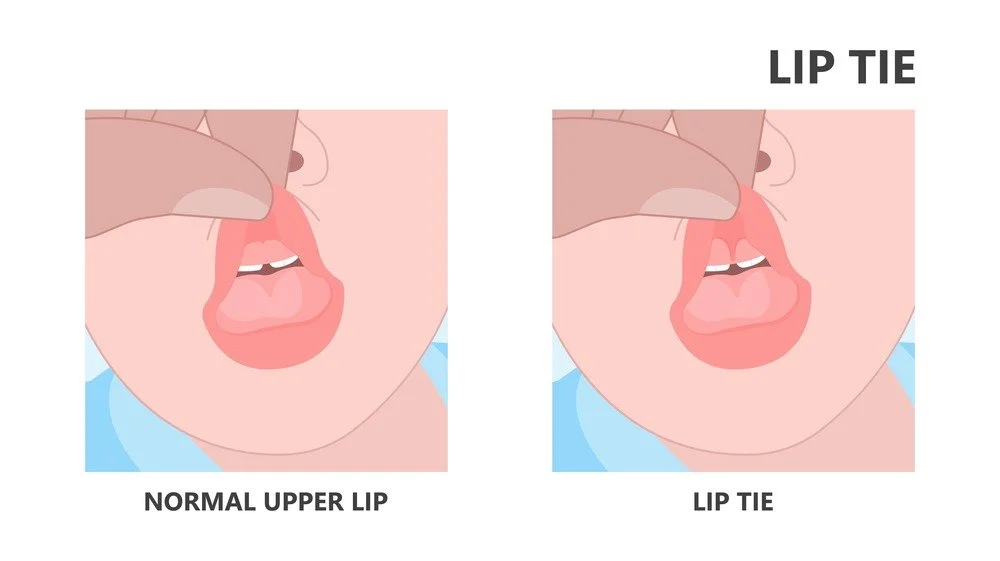
4. Tongue Ties or Lip Ties Affect Movement
Tethered oral tissues can limit the tongue’s mobility, making it harder to move food side-to-side, break down textures, or swallow safely. If your baby has always struggled with feeding — not just solids — ties may be part of the picture. Feeding therapy helps determine whether a release is necessary or whether skill-building alone is enough.
5. Stressful or Negative Early Feeding Experiences
Babies remember how feeding feels. If they’ve previously experienced choking, coughing, pressure, pain, or discomfort from reflux, they may now associate feeding with stress. When this happens, the nervous system goes into protective mode, making mealtimes feel unsafe.
Feeding therapy uses a regulated, baby-led approach to rebuild that sense of safety and trust.
Signs Your Baby May Need Extra Support With Solids
Parents often wonder, Are these behaviors normal? Should I be concerned?
Here are common signs your baby needs feeding therapy, especially if they persist over time:
Constant gagging, coughing, or choking during meals
Refusing solids or crying as soon as food appears
Difficulty swallowing thicker textures
Persistent preference for only purées
Arching, pulling away, or hiding their face
Holding food in the mouth without swallowing
Very slow progress or complete resistance to new textures
Mealtimes that feel consistently stressful for both of you
If you find yourself searching, when to worry about baby not eating solids, trust your instincts. You don’t need to wait for it to get worse, addressing feeding challenges early often leads to smoother transitions and more enjoyable meals.
What Feeding Therapy for Babies Actually Looks Like
Many parents imagine feeding therapy as strict drills or forcing food into a child’s mouth. In reality, feeding therapy helps babies learn to eat through gentle, playful, responsive approaches that support the body, mouth, and nervous system.
A typical session may include:
Infant-led sensory exploration
Babies are encouraged to touch, smell, and explore food without pressure to eat it. This reduces fear and builds curiosity.
Oral motor skill-building
Therapists guide babies through developmentally appropriate movements — like tongue lateralization, lip closure, and safe chewing — often through fun, playful activities.
Posture and positioning adjustments
Many feeding challenges improve immediately when babies are properly supported in their high chair.
Caregiver coaching
Parents learn what to watch for, how to create safe and calm mealtimes, and how to support skill-building at home.
The goal is not to get a certain number of bites in. It’s to help your baby feel regulated, confident, and ready to learn.
What You Can Try at Home to Support Your Baby
Here are gentle, effective strategies to help ease your baby’s transition to solid foods. These suggestions are most helpful when combined with professional guidance, especially if your baby’s challenges are ongoing or causing stress.
1. Prioritize Posture and Stability
Before offering any food, take a moment to check your baby’s positioning. Their hips should be supported, feet flat (or on a footrest), and torso upright. This simple adjustment often makes swallowing easier and reduces gagging.
Think of feeding like learning a new sport — you wouldn’t want to practice while falling over. Babies need a stable base so their mouths can work efficiently.
2. Let Baby Explore Without Pressure
Babies learn best through curiosity. Allow them to touch food, smear it, poke it, smell it, or hold it without the expectation to eat right away. Sensory experiences build familiarity, and familiarity builds comfort.
This is especially important if you’re wondering how to support a baby struggling with solids or if your baby turns away from new textures.
3. Stay Calm When Gagging Happens
Gagging can feel scary, but it’s a normal part of learning. If you stay calm, your baby will too. Explain what’s happening in a soothing tone: “That felt funny, didn’t it? You’re okay.” Overreacting can make your baby anxious and more hesitant at the next meal.
However, if gagging happens at the sight of food or persists for weeks, that’s a sign to seek support.
4. Offer a Gradual Texture Progression
If your baby refuses thicker purées or finger foods, go slowly. Offer something just slightly thicker than what they’re comfortable with. Small steps matter more than big leaps.
This is one of the most effective ways to help a baby transition to solid foods without overwhelm.
5. Maintain Milk Intake While Skills Develop
Don’t rush to reduce breastmilk or formula. Solids are for exploration at first — milk is still your baby’s primary nutrition source. Giving your baby time to learn the skill of eating will make progress smoother and less stressful.
When to Seek Professional Help
Every baby grows at their own pace, but you should reach out for help when:
Mealtimes feel consistently stressful
Your baby refuses most or all solids
They cough or choke frequently
You’ve been trying for weeks and nothing is improving
Gagging is intense or constant
Their progress seems to have stalled
You feel lost, discouraged, or unsure what to do next
A feeding therapist can evaluate oral motor patterns, sensory needs, positioning, and emotional cues to understand the whole picture. Early support doesn’t just help your baby — it brings peace of mind to you.
You’re Doing the Right Thing by Seeking Support
If your baby isn’t doing well with solid foods, you’re not behind, and you haven’t missed your chance. Feeding is a skill, one that grows with time, patience, and the right kind of support.
Whether your baby is gagging, refusing, overwhelmed by textures, or just confused about what to do with food, progress is possible. With gentle guidance and responsive strategies, your baby can learn to eat confidently and joyfully.
If you’re worried about how your baby is doing with solids or you’re just not sure what’s normal, you don’t have to figure it out alone. A quick conversation can help you understand what’s going on and what your next steps could be.
Book a free consultation, and let’s take a gentle, supportive look at your baby’s feeding skills together.