Why Do Children Suck Their Thumb?
Thumb sucking is one of those childhood behaviors that often gets brushed off as “no big deal.” And sometimes, it truly isn’t. Many children suck their thumb for comfort in early childhood and naturally stop as they grow.
But when thumb sucking continues past the toddler years, it’s worth pausing before labeling it as a “bad habit.” For many children, thumb sucking isn’t about choice or stubbornness, it’s their body’s way of self-soothing, regulating, or compensating for something that isn’t quite working yet.
If you’ve been wondering why children suck their thumb, the answer is usually more layered than it seems.

Thumb Sucking Starts as a Normal Developmental Behavior
Thumb sucking often begins very early sometimes even before birth. In infancy and early toddlerhood, it plays an important role in development. Babies use oral movement to calm their nervous systems, manage stress, and feel safe in unfamiliar environments.
At this stage, thumb sucking can help:
Support self-soothing
Provide sensory input
Create a sense of comfort during fatigue or overwhelm
For young children, this behavior is expected and appropriate. Most children naturally reduce thumb sucking between ages two and four as their nervous systems mature and they develop other ways to cope.
The concern isn’t that a child sucks their thumb; it’s when the behavior persists because the body still needs it.
When Thumb Sucking Doesn’t Fade on Its Own
Some children continue to suck their thumb well beyond the early years, even when they want to stop. Parents often notice it happening most during sleep, quiet time, or moments of stress.
This persistence is usually a sign that thumb sucking is serving a purpose. Instead of being a habit to break, it’s a strategy the child relies on to feel regulated.
Common signs that thumb sucking may be more than a phase include:
Continuing past age four or five
Increasing during stress, illness, or fatigue
Occurring primarily during sleep
Resisting reminders, rewards, or behavior charts
When this happens, it’s not because the child is “too attached” to the thumb—it’s because their system hasn’t found a better replacement yet.
The Nervous System Connection Parents Often Miss
One of the most common reasons children suck their thumb is nervous system regulation.
Thumb sucking provides deep pressure and rhythmic input to the mouth, which sends calming signals to the brain. For children with sensitive, easily overwhelmed, or high-alert nervous systems, this input helps them feel organized and safe.
This is especially true for children who:
Have big emotional reactions
Struggle with transitions
Appear constantly “on the go”
Have difficulty winding down at night
In these cases, thumb sucking isn’t a habit; it’s a calming tool. Removing it without addressing regulation often leads to increased anxiety or emotional outbursts.
Oral Development and the Role of the Tongue
Thumb sucking is also closely tied to how the mouth develops and functions.
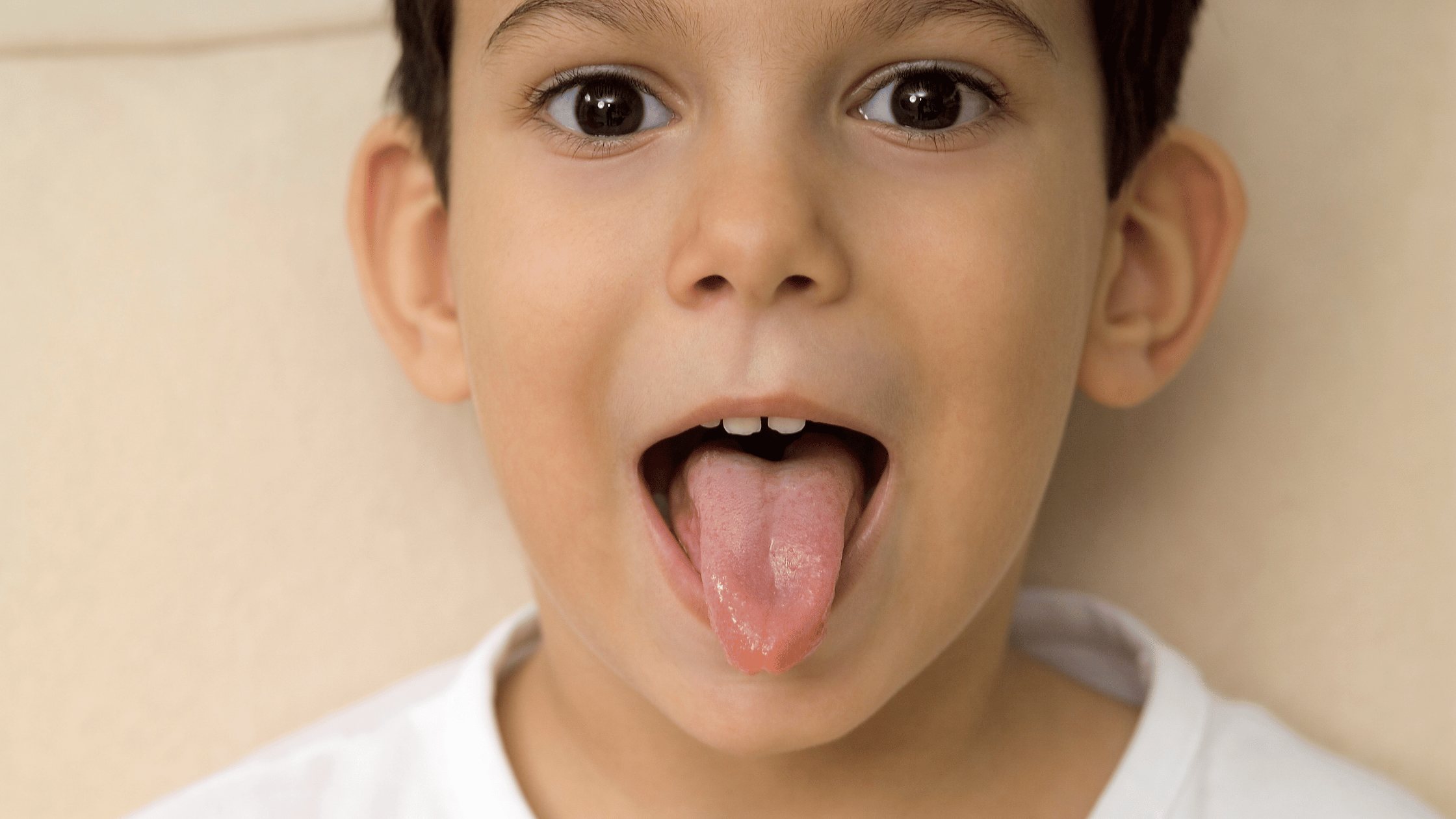
When the tongue isn’t resting comfortably on the roof of the mouth, or when lip closure is weak, the oral system may seek extra input. The thumb becomes an easy stand-in, providing pressure and stability the mouth isn’t getting on its own.
This pattern is commonly seen in children with:
Feeding difficulties or picky eating
Gagging or texture sensitivities
Oral restrictions such as tongue ties
Low tongue resting posture
In these situations, thumb sucking isn’t random—it’s compensating for an underlying oral motor imbalance.
Breathing, Sleep, and Thumb Sucking
Breathing patterns also play a big role in thumb sucking, especially during sleep.
Children who mouth breathe often have low tongue posture, which reduces stability in the mouth and jaw. Thumb sucking can help create that missing sense of structure. Poor sleep quality can also increase a child’s need for soothing behaviors during both day and night.
This is why many parents say, “They only suck their thumb when they’re asleep.” Sleep is often where the body reveals what it’s still working on.
Emotional Regulation and Big Feelings
Young children don’t yet have the words or skills to process stress, frustration, or overwhelm. Their bodies step in first.
Thumb sucking often increases during:
New school years
Big family changes
Illness or fatigue
Periods of emotional growth
Rather than seeing this as regression, it can be helpful to view it as communication. The child is using the tools they have to feel safe.
Why Sticker Charts and Bribes Often Don’t Work
Many parents try to stop thumb sucking with rewards, reminders, gloves, or bitter-tasting products. While these may work temporarily, they often fail when thumb sucking is driven by sensory or physiological needs.
When a child relies on thumb sucking for regulation, taking it away without addressing the root cause can lead to:
Increased stress or anxiety
Secretive thumb sucking
Emotional shutdown or frustration
This is why thumb sucking is rarely resolved through behavior strategies alone.
When Thumb Sucking Can Impact Development
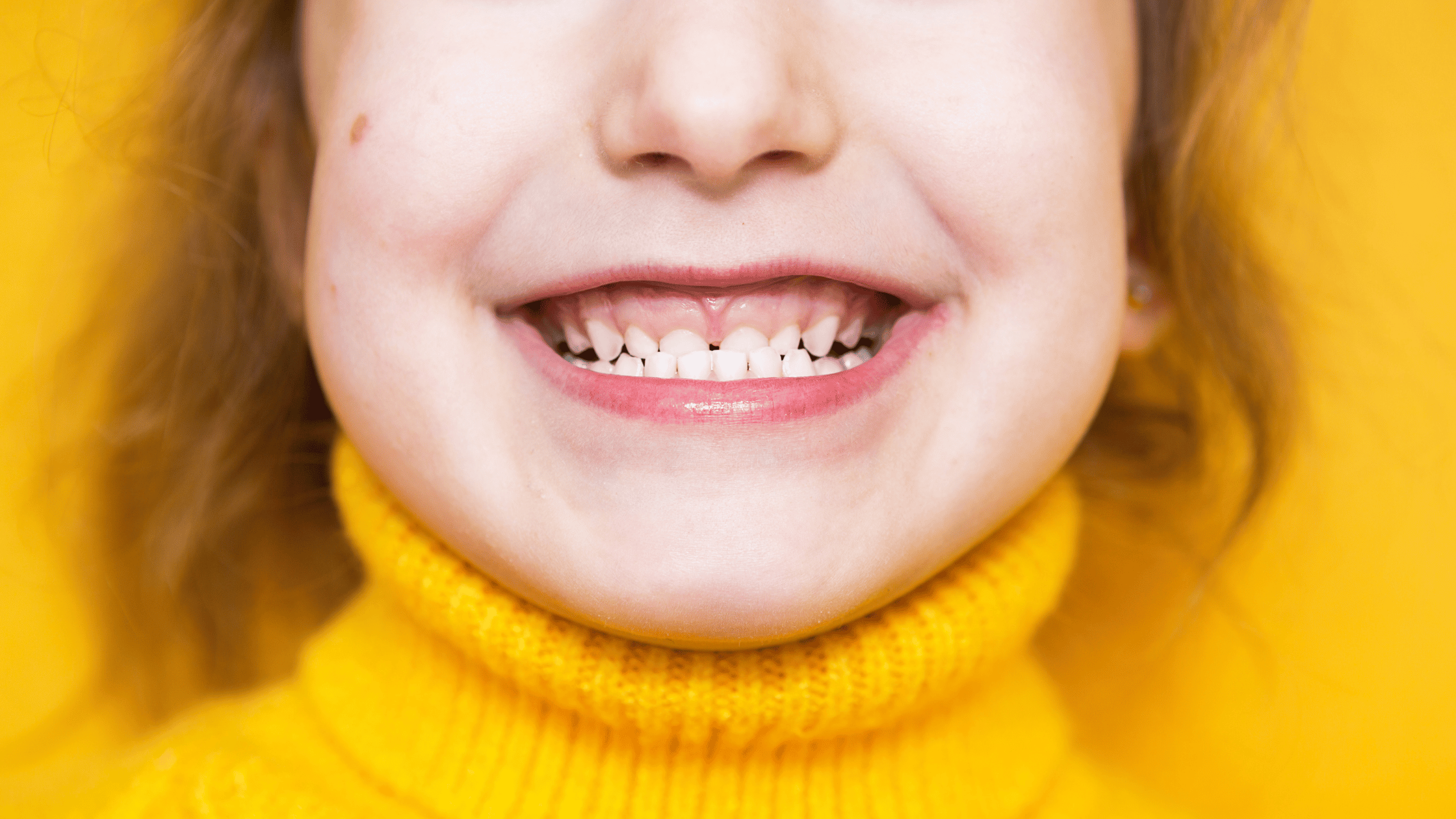
While thumb sucking itself isn’t “bad,” prolonged patterns can influence oral development over time. This may include changes in palate shape, dental alignment, tongue posture, or speech clarity.
The goal isn’t to rush a child or create pressure. It’s to offer support early, when changes are easier and more gentle.
When to Seek Support
It may be helpful to look deeper if thumb sucking:
Continues past age four or five
Happens consistently during sleep
Is paired with speech, feeding, or breathing concerns
Is causing visible dental changes
Early support can often reduce the need for more intensive intervention later.
A Supportive Path Forward
The most effective way to help a child stop thumb sucking isn’t forcing the thumb away—it’s helping the body no longer need it.
By supporting nasal breathing, tongue posture, oral motor skills, and nervous system regulation, many children naturally let go of thumb sucking on their own. This is where approaches like myofunctional therapy, feeding therapy, and neuroadaptive support can make a meaningful difference.
Thumb Sucking Is a Signal, Not a Flaw
So, why do children suck their thumb?
Because their body is asking for support.
Thumb sucking is rarely “just a habit.” It’s a sign that a child is working hard to feel regulated and safe. When we listen to that signal and respond with understanding, we can help children build healthier patterns that support their growth—without shame or pressure.
Ready to Take the Next Step?
If your child is struggling to let go of thumb sucking and you’re unsure what’s driving it, you don’t have to figure it out alone.
A discovery call is a low-pressure way to talk through your concerns, understand what may be contributing to the behavior, and explore whether support like myofunctional or feeding therapy could help.
👉 Book a discovery call today and let’s look at the whole picture—your child, their development, and what support makes sense right now.