What Is Neuroadaptive Therapy? A Complete Guide for Families
If your child's therapist has mentioned neuroadaptive therapy, or you've come across the term while researching ways to help your child, you probably have questions. What does it actually mean? How is it different from the therapy your child may already be doing? And most importantly, will it help?
This guide breaks down neuroadaptive therapy in plain language, so you can decide whether it's worth exploring for your child.
What Is Neuroadaptive Therapy?
Neuroadaptive therapy is a brain-based approach to treatment that works with the nervous system's natural ability to reorganize itself. This ability is called neuroplasticity, and it's the reason the brain can build new pathways, strengthen weak connections, and adapt in response to repeated, targeted input.
Instead of only practicing a skill over and over the way traditional therapy might, neuroadaptive therapy layers in tools and techniques designed to prime the brain and nervous system to learn that skill more efficiently. Think of it less like drilling a skill and more like clearing the runway so the plane can actually take off.
For families, this often means therapy sessions that combine familiar elements, like speech or feeding exercises, with additional supportive tools such as light therapy, sensory-based techniques, or structured intensives that pack more repetition into a shorter window of time.
How Does Neuroadaptive Therapy Work?
Every child's nervous system develops at its own pace, and sometimes a child's brain and body aren't quite in sync with the demands being placed on them. A child might understand what they need to do, but their nervous system hasn't built the pathway to make it happen consistently.
Neuroadaptive therapy addresses this in a few key ways:
It targets the nervous system directly. Rather than only addressing the surface-level symptom, this approach looks at what's happening underneath, things like muscle tone, sensory processing, and motor planning, all of which affect how a skill develops.
It uses repetition strategically. The brain strengthens pathways through repeated, consistent input. Neuroadaptive therapy is often structured to give the nervous system more concentrated practice than a once-a-week session can offer.
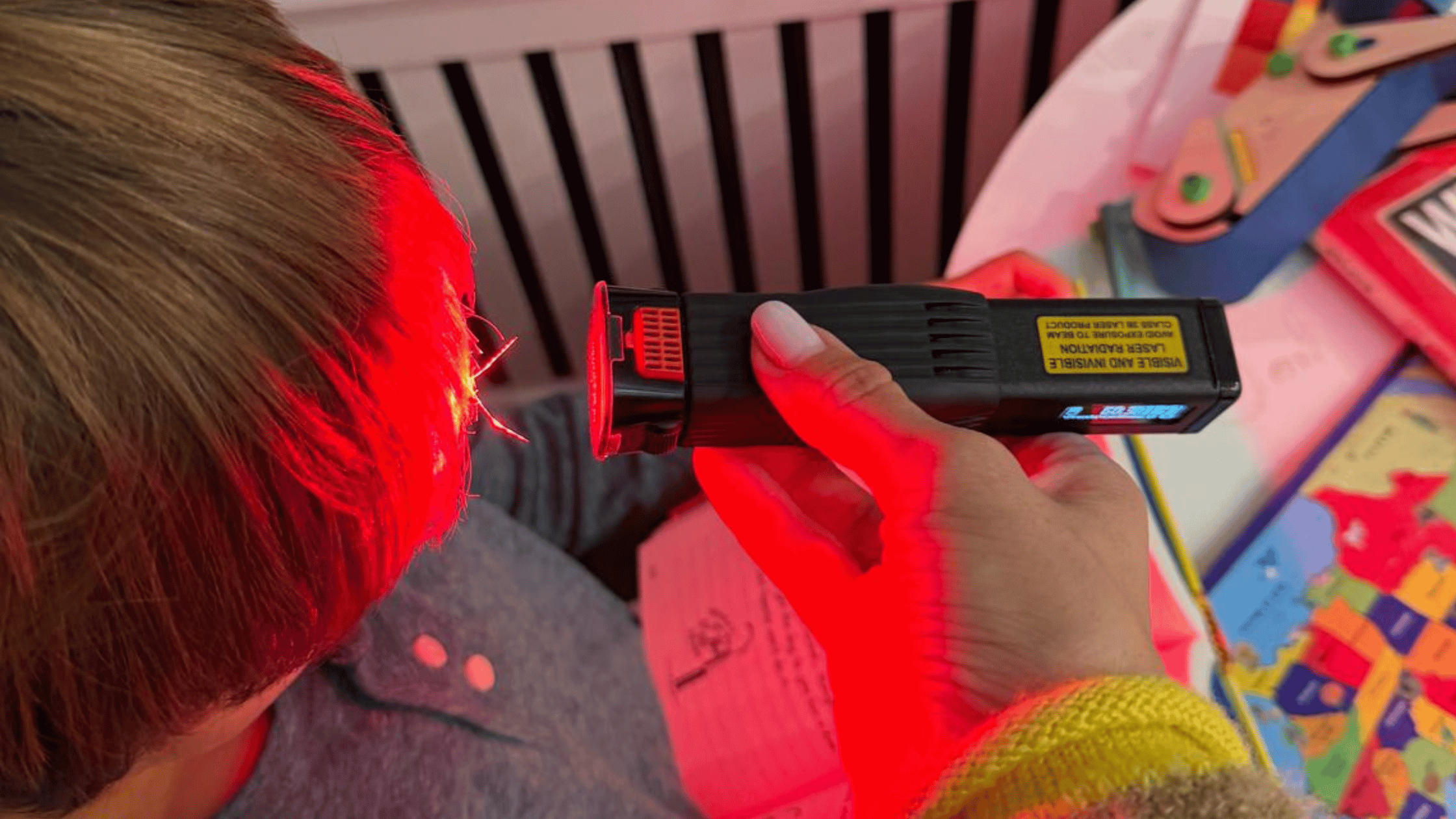
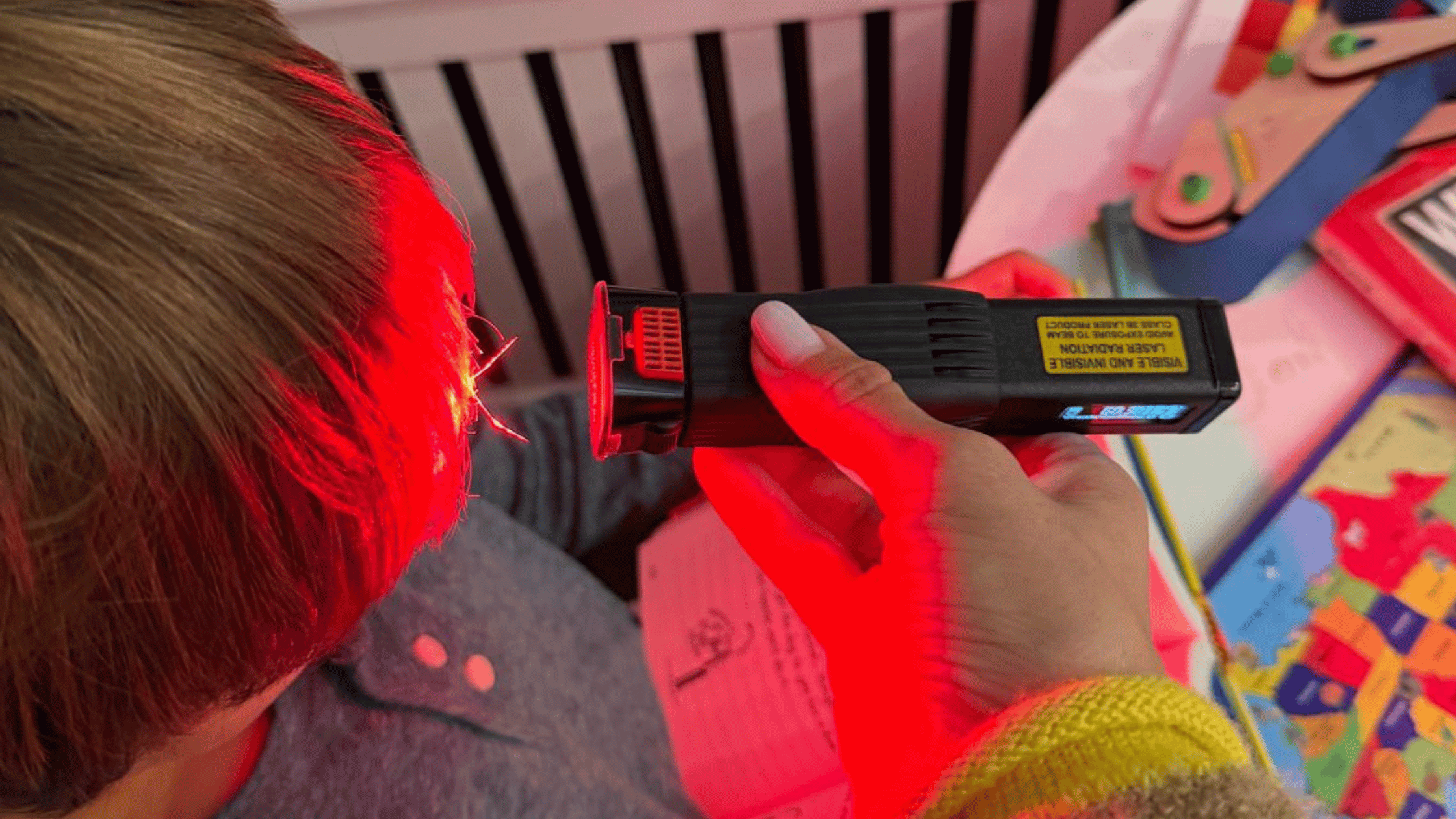
It incorporates supportive tools. Depending on the child's needs, this might include things like low-level laser therapy (also called photobiomodulation) to support cellular function, or sensory strategies that help regulate the nervous system before a skill-building task.
Who Can Benefit from Neuroadaptive Therapy for Children?
Neuroadaptive therapy for children is often considered for kids who:
Have made some progress in traditional therapy but seem to have plateaued
Struggle with skills that require strong mind-body coordination, like feeding, speech articulation, or oral motor control
Have a diagnosis involving the nervous system, such as ADHD, sensory processing differences, or motor planning challenges
Need a more intensive approach because weekly sessions aren't providing enough repetition to build lasting change
It's worth noting that neuroadaptive therapy isn't a replacement for traditional speech, feeding, or occupational therapy. It's often used alongside these approaches, or in a more concentrated intensive format, to help move a child forward when progress has slowed.
What Does a Neuroadaptive Therapy Session Look Like?
Sessions can vary depending on the child's goals and the specific tools being used, but many neuroadaptive therapy programs share a few common elements:
An initial assessment to understand where the nervous system may be creating roadblocks
A personalized plan combining traditional therapy techniques with neuroadaptive tools
Consistent, often intensive scheduling to give the brain the repetition it needs
Ongoing reassessment to track progress and adjust the plan as the child responds
Some families choose an intensive format, meeting several days in a row over a week or two, rather than spacing sessions out over months. This is one of the key differences between neuroadaptive therapy and more traditional weekly therapy models.
Is Neuroadaptive Therapy Safe for Kids?
Yes. Neuroadaptive therapy techniques, including tools like low-level laser therapy, are generally well tolerated by children and are used alongside evidence-informed therapy practices. A qualified provider will always start with a thorough evaluation to make sure any tools or techniques used are appropriate for your child's specific needs and medical history.
Neuroadaptive Therapy Explained: The Bottom Line
In simple terms, neuroadaptive therapy is about helping the nervous system do its job more efficiently, so the skills your child is working on in therapy can actually stick. It's not magic, and it's not a shortcut. It's a way of giving the brain the right conditions and enough repetition to build new, lasting pathways.
If your child has been working hard in therapy but progress feels slower than you'd like, neuroadaptive therapy may be worth discussing with your care team.
Frequently Asked Questions
What is neuroadaptive therapy in simple terms? Neuroadaptive therapy is a treatment approach that works with the brain's ability to build new neural pathways, using repetition and supportive tools to help skills like speech, feeding, or motor coordination develop more effectively.
Is neuroadaptive therapy the same as speech therapy? No. Neuroadaptive therapy is often used alongside speech therapy or other traditional therapies. It's not a replacement, but a way to support and accelerate the progress a child is already making.
How long does it take to see results from neuroadaptive therapy? This varies by child and by goal. Some families see changes within a single intensive, while others need several rounds of therapy over time. A provider can give a more specific timeline after evaluating your child.
What age is neuroadaptive therapy appropriate for? Neuroadaptive therapy can be adapted for a wide age range, from infants working on feeding skills to older children working on speech, motor planning, or attention-related goals.
Curious whether neuroadaptive therapy could help your child? Schedule a consultation to talk through your child's specific needs with our team.