Is LLLT the CE You've Been Missing? What SLPs Need to Know About Laser Therapy Training
If you've been searching for SLP continuing education laser therapy, you've probably noticed the acronym LLLT coming up more and more. Low-level laser therapy, also known as photobiomodulation, is quickly becoming one of the more talked-about tools in orofacial myofunctional therapy and pediatric feeding therapy. But for a lot of SLPs, it still raises more questions than answers.
What exactly is LLLT? Is it within an SLP's scope of practice? And is it actually worth adding to your clinical toolkit?
This article breaks down what laser therapy is, how it's being used in speech and feeding therapy settings, and what to look for in quality SLP continuing education laser therapy before you invest your time and money.
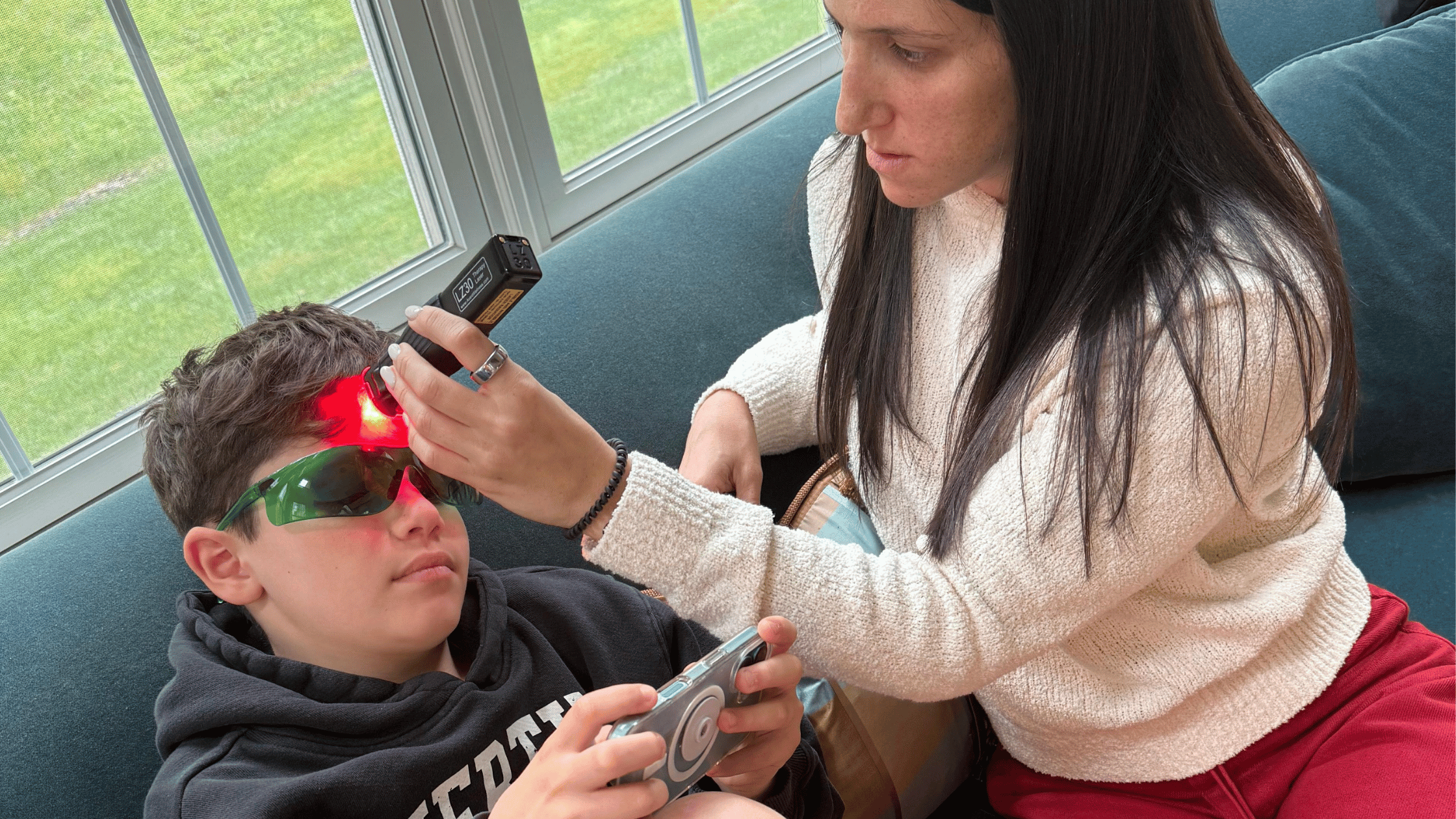
What Is LLLT, Exactly?
Low-level laser therapy uses specific wavelengths of light to stimulate cellular activity in soft tissue. Unlike surgical or aesthetic lasers, LLLT doesn't cut or heat tissue. Instead, it works at the cellular level to support circulation, reduce inflammation, and encourage tissue healing and function.
In the context of speech-language pathology, LLLT is most commonly used to support:
Post-frenectomy healing and scar tissue management
Muscle tone and function in orofacial myofunctional therapy
Oral motor and feeding therapy outcomes in infants and children
Tension patterns that affect articulation, resonance, or swallowing
Because the therapy is non-invasive and generally well tolerated, it's gaining traction among clinicians looking for an additional tool to support the soft tissue work they're already doing.
Why SLPs Are Paying Attention to Laser Therapy
Most SLPs who work in myofunctional therapy, feeding therapy, or tethered oral tissue (TOT) release aftercare already understand how much tissue mobility and muscle function matter to outcomes. A tight frenulum, restricted tissue, or poor muscle tone doesn't just disappear after a release procedure. The tissue still needs to heal well, and the muscles still need to learn new patterns.
This is where LLLT is getting attention. Clinicians are reporting that incorporating laser therapy alongside traditional myofunctional and feeding therapy techniques may help:
Support smoother post-release healing
Reduce compensatory tension patterns
Complement manual techniques already used in therapy sessions
Add another layer of support for clients who have plateaued with therapy alone
It's important to note that LLLT isn't a replacement for therapy. It's a complementary tool, and its appropriate use depends heavily on proper training and clinical judgment.
Is Laser Therapy Within an SLP's Scope of Practice?
This is one of the most common questions clinicians ask before pursuing laser therapy training. The answer depends on your state practice act, your employer's policies, and the specific application of the laser device.
Because scope of practice can vary, it's essential that any CE training you pursue addresses:
How LLLT fits within ASHA's scope of practice for SLPs
State-by-state considerations for laser use
Documentation and informed consent practices
Collaboration models with other providers when appropriate
A quality training program won't just teach you how to use a laser. It will help you understand where this tool fits responsibly within your clinical practice.
What to Look for in SLP Continuing Education Laser Therapy
Not all laser therapy CE is created equal. Before enrolling in a course, it's worth asking a few questions:
Is the instructor an SLP with clinical experience using LLLT? Training led by someone who understands the day-to-day realities of speech and feeding therapy will translate more directly to your caseload than a generic laser certification.
Does the course cover both the science and the application? You should walk away understanding the mechanism behind photobiomodulation, not just which buttons to press.
Is there guidance on integrating LLLT into existing treatment plans? The most useful training shows you how laser therapy fits alongside the techniques you already use, whether that's oral motor exercises, myofunctional therapy protocols, or feeding therapy sessions.
RESTORE: SLP Continuing Education Laser Therapy Built for Your Caseload
RESTORE is a laser therapy training course designed specifically for speech-language pathologists working in myofunctional and feeding therapy. Rather than a generic laser certification, RESTORE was built by an SLP who understands the clinical questions you're actually asking, from scope of practice to real-world integration into your existing caseload.
The course walks through the foundational science of photobiomodulation, practical application for common presentations like tethered oral tissues, tension patterns, and post-frenectomy care, and how to confidently document and communicate this work to families and referring providers.
If you've been curious about adding LLLT to your practice but weren't sure where to start, RESTORE was built with exactly that hesitation in mind.
Frequently Asked Questions
What does LLLT stand for? LLLT stands for low-level laser therapy, also referred to as photobiomodulation. It uses light at specific wavelengths to support cellular healing and tissue function.
Can SLPs legally use laser therapy? This depends on your state's practice act and scope of practice guidelines. Proper training should always address these considerations directly.
Is laser therapy painful? No. LLLT is non-invasive and generally well tolerated, including with pediatric clients.
Where can I find SLP continuing education in laser therapy? RESTORE is one option built specifically for SLPs, covering both the science of photobiomodulation and its clinical application in myofunctional and feeding therapy.
Who should take this course? RESTORE is best suited for SLPs working in myofunctional therapy, feeding therapy, or tethered oral tissue aftercare who want to expand their clinical toolkit.
Ready to Learn More?
If you've been searching for SLP continuing education laser therapy that actually speaks to your work, RESTORE might be exactly what you've been looking for.