Children grind their teeth at night (sleep bruxism) for several reasons, including stress, new teeth coming in, and jaw growth. But persistent grinding is also linked to sleep-disordered breathing, such as mouth breathing, snoring, enlarged tonsils or adenoids, and allergies. If your child grinds their teeth and snores, breathes through their mouth, or sleeps restlessly, ask their pediatrician, dentist, or an ENT to check their airway.
That second possibility is the one most parents never hear about. Let's walk through it.
What Is Bruxism in Children?
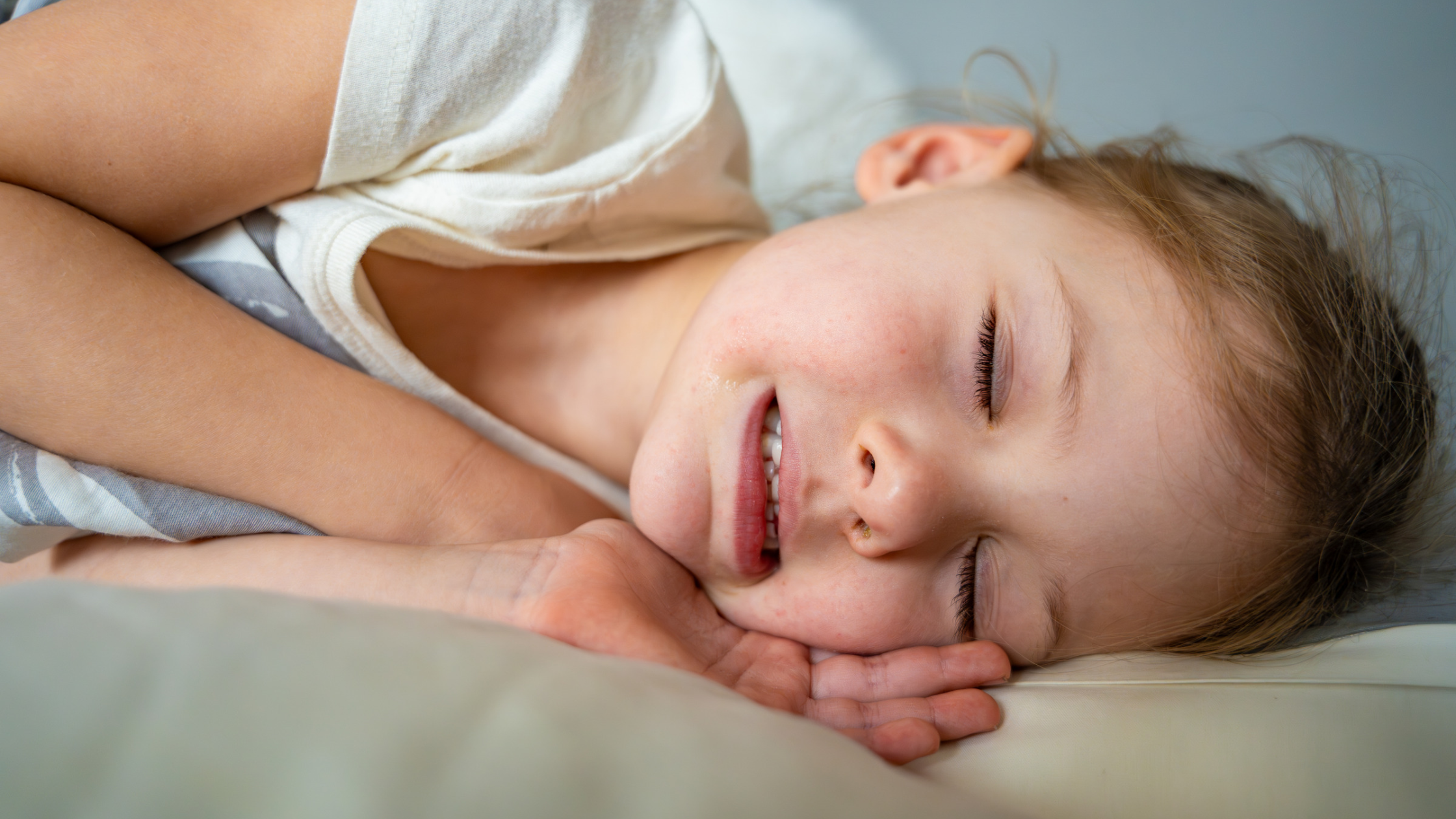
Bruxism is the medical term for grinding or clenching the teeth. When it happens during sleep, it's called sleep bruxism. It's common in children, and many kids outgrow it. Parents usually notice it as a harsh, scraping sound coming from the bedroom after lights-out.
Occasional grinding isn't usually cause for alarm. But grinding that happens night after night, wears down teeth, or shows up alongside other sleep and breathing symptoms deserves a closer look.
Why Do Kids Grind Their Teeth at Night?
There's rarely one single cause. The most common contributors include:
Breathing difficulty during sleep. This is the cause that's most often missed (more below).
Stress or anxiety. School pressure, big changes, or overstimulation can show up as clenching at night.
Teething and tooth eruption. Grinding often increases when baby teeth come in or permanent teeth start to replace them.
Bite or jaw alignment. Teeth that don't meet comfortably can lead to grinding.
Reflux, allergies, or nasal congestion. All can disturb sleep and make breathing harder.
Family history. Bruxism tends to run in families.
The Breathing Connection: Why Grinding Can Be a Sleep Clue
Research has found that sleep bruxism is more common in children who have sleep-disordered breathing, a range of problems that includes snoring, mouth breathing, and obstructive sleep apnea.
Here's the leading theory. When a child's airway is narrow or partly blocked during sleep, the body has to work harder to keep air moving. The brain responds with tiny, brief partial awakenings called micro-arousals. Grinding and jaw movement often happen around those moments, and some researchers believe the jaw activity may help reopen or stabilize the airway.
In other words, the grinding may not be the problem itself. It may be the body's way of coping with a different problem: trouble breathing at night.
What Narrows a Child's Airway?
Enlarged tonsils or adenoids
Chronic nasal congestion or allergies
A habit of mouth breathing
Low tongue resting posture
A narrow upper jaw or high, narrow palate
A restricted tongue (tongue tie) in some children
These factors often overlap. A child with allergies who has become a habitual mouth breather, for instance, may also rest their tongue low in the mouth, which can further affect jaw and airway development over time.
Signs Your Child's Grinding May Be Breathing-Related
Look beyond the grinding itself. Ask yourself whether your child:
Snores regularly, or breathes loudly at night
Sleeps with their mouth open
Gasps, snorts, or pauses in breathing during sleep
Sleeps restlessly or in unusual positions (head tipped far back, for example)
Sweats heavily at night or wets the bed after being toilet trained
Wakes up tired, cranky, or with morning headaches
Has dark circles under the eyes
Struggles with focus, mood, or hyperactivity during the day
Has dry lips, bad breath, or frequent congestion
Is a picky eater or tires while chewing
If several of these sound familiar, it's worth raising with your child's doctor. Poor sleep quality in children can look like behavior or attention problems rather than tiredness, which is part of why it gets overlooked.
Other Signs of Bruxism to Watch For
Grinding or clicking sounds at night
Worn, flattened, or chipped teeth
Tooth sensitivity
Jaw soreness or tightness, especially in the morning
Complaints of ear pain with no infection
Your child's dentist can often spot wear patterns at a routine checkup.
When to See a Professional
Make an appointment if your child's grinding:
Continues for more than a few weeks
Comes with snoring, mouth breathing, or restless sleep
Is wearing down their teeth or causing jaw pain
Is paired with daytime sleepiness, attention issues, or mood changes
Seek prompt medical attention if you notice pauses in breathing, gasping, or choking sounds during sleep.
Who Can Help? Building the Right Care Team
Because bruxism and breathing are connected, the best approach is usually a team:
Pediatrician: a starting point to discuss sleep, allergies, and next steps.
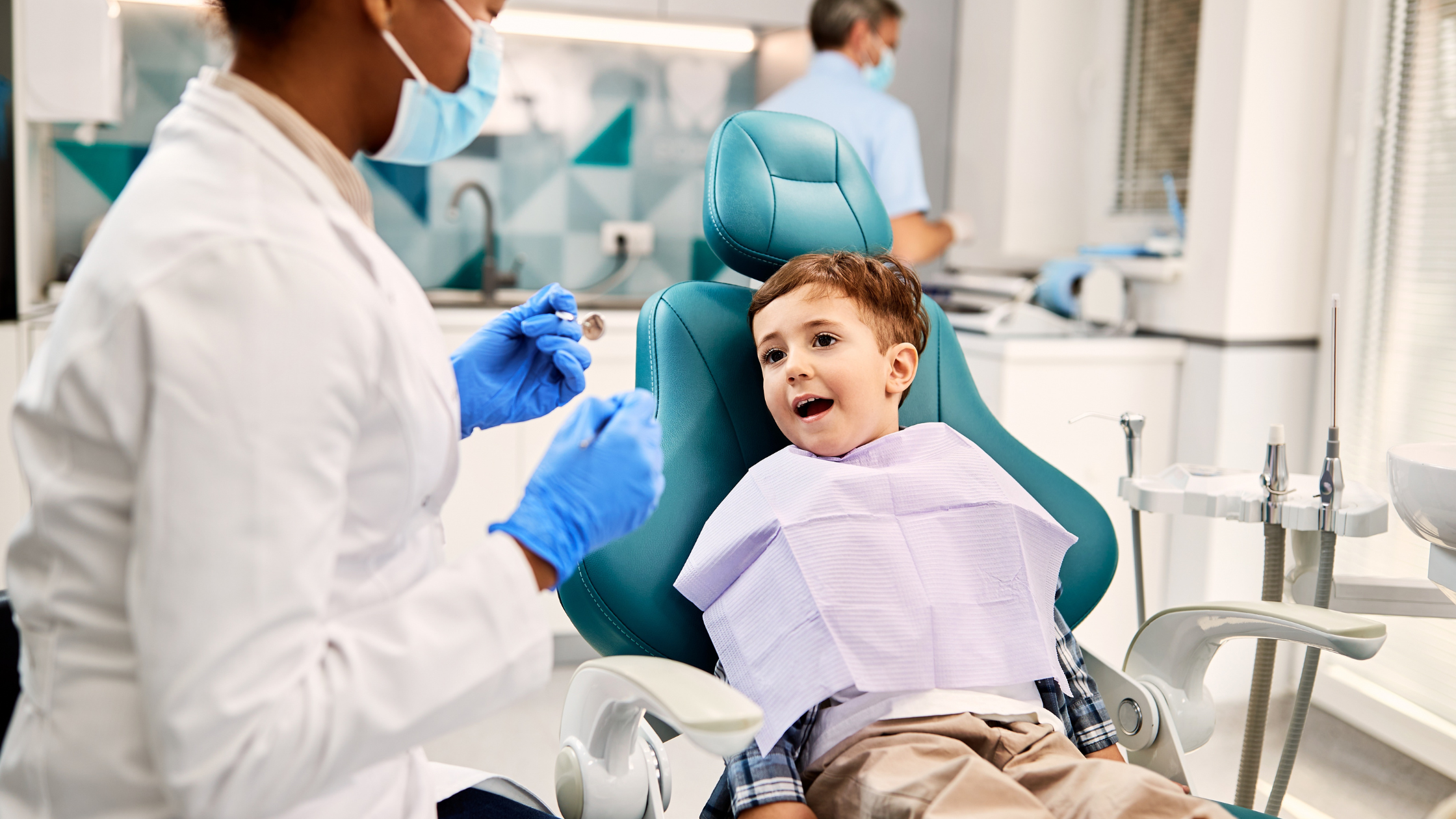
Pediatric dentist: checks tooth wear, bite, and jaw development. Nightguards are generally not a first choice for growing children, so talk through options with your dentist.
ENT (ear, nose, and throat specialist): evaluates tonsils, adenoids, and nasal airflow.
Sleep specialist: may recommend a sleep study if sleep apnea is suspected.
Orofacial myofunctional therapist: works on the habits and muscle patterns that affect breathing, such as tongue resting posture, lip seal, and nasal breathing.
How Myofunctional Therapy Fits In
Orofacial myofunctional therapy is a program of exercises and habit retraining for the tongue, lips, cheeks, and face. For children whose grinding is tied to mouth breathing or low tongue posture, therapy can help them build the foundation for comfortable nasal breathing, a proper tongue rest position, and a relaxed jaw.
Research suggests myofunctional therapy can be a helpful addition to medical care for children with sleep-disordered breathing. It works best alongside a medical evaluation, not as a replacement for one. If a child has large tonsils or adenoids, for example, they may need an ENT's input first or in tandem.
A myofunctional therapist can also help you notice patterns you might miss, like whether your child's lips are apart at rest, where their tongue sits, and whether they can breathe through their nose with ease.
What Parents Can Do at Home
Watch and listen at night. Note the grinding, snoring, mouth position, and any breathing pauses. A short audio or video recording can be very useful to share with a doctor.
Check daytime habits. Is your child's mouth open while watching TV, doing homework, or concentrating? Gently encourage lips together and nasal breathing.
Address congestion. Talk to your pediatrician about allergies or chronic stuffy noses.
Wind down before bed. A calm, consistent bedtime routine can ease stress-related clenching.
Ask about the whole picture. Mention snoring, restless sleep, bedwetting, and daytime focus when you bring up grinding. These details help your child's providers connect the dots.
Frequently Asked Questions
Is it normal for a child to grind their teeth at night?
It's common, and many children outgrow it. But it's worth a closer look if it's frequent, wears down teeth, or happens alongside snoring, mouth breathing, or restless sleep.
Can teeth grinding in kids be a sign of sleep apnea?
It can be. Sleep bruxism is more common in children with sleep-disordered breathing, including obstructive sleep apnea. Grinding alone doesn't confirm sleep apnea, but grinding with snoring or breathing pauses is a reason to get evaluated.
Why does my child grind their teeth and breathe through their mouth?
Mouth breathing at night often signals a narrowed or blocked nasal airway. Grinding may be one way the body responds to the extra effort of breathing during sleep.
Should my child wear a night guard?
Night guards are usually not the first approach for growing children, since their teeth and jaws are still developing. Your pediatric dentist can advise on the right option for your child.
At what age do kids stop grinding their teeth?
Many children outgrow it as their permanent teeth come in and their jaws mature, but timing varies. If grinding continues or comes with other sleep symptoms, get it checked rather than waiting.
Can myofunctional therapy help with teeth grinding?
It may help when grinding is connected to mouth breathing, low tongue posture, or poor oral muscle patterns. Myofunctional therapy supports nasal breathing and relaxed jaw posture, and works best alongside medical and dental care.
What is the difference between bruxism and clenching?
Bruxism includes both grinding (sliding teeth back and forth) and clenching (biting down tightly without movement). Clenching is quieter, so it's harder for parents to notice, but it can still cause jaw soreness and tooth wear.
The Bottom Line
A child grinding their teeth at night isn't always a cause for worry, but it's also not something to brush off. Grinding can be a clue that your child's body is working hard to breathe during sleep. Looking at the whole picture, including snoring, mouth breathing, tongue posture, and daytime energy, can help you get to the root cause instead of just treating the symptom.
Questions About Your Child's Sleep, Breathing, or Grinding?
At Myo Speech Solutions, we help babies, kids, teens, and adults with tongue resting posture, mouth breathing, snoring and sleep concerns, TMJ, and feeding challenges through orofacial myofunctional therapy.
We offer in-person visits in Manhattan and New Jersey and virtual sessions in NY, NJ, and FL.
Book a free call at myospeechsolutions.com to talk through what you're seeing at home.
This article is for educational purposes and isn't a substitute for medical or dental advice. If you're concerned about your child's breathing or sleep, please speak with your child's healthcare provider.