How SLPs Can Use Laser Therapy Before and After Tongue Tie Release
If you work with tongue tie cases, you already know the release is only part of the picture. What happens before and after the frenectomy matters just as much as the procedure itself. And laser therapy for tongue tie is one of the most underused tools SLPs have access to right now.
More SLPs are adding photobiomodulation (PBML) to their practice, and the tongue tie population is one of the clearest cases for why. Laser gives you a way to prepare tissue, reduce inflammation, support healing, and calm a nervous system that's often been dysregulated long before a referral ever lands on your desk.
Here's how it works and what it can look like in your sessions.
Why Laser Therapy Is Relevant to Tongue Tie Cases
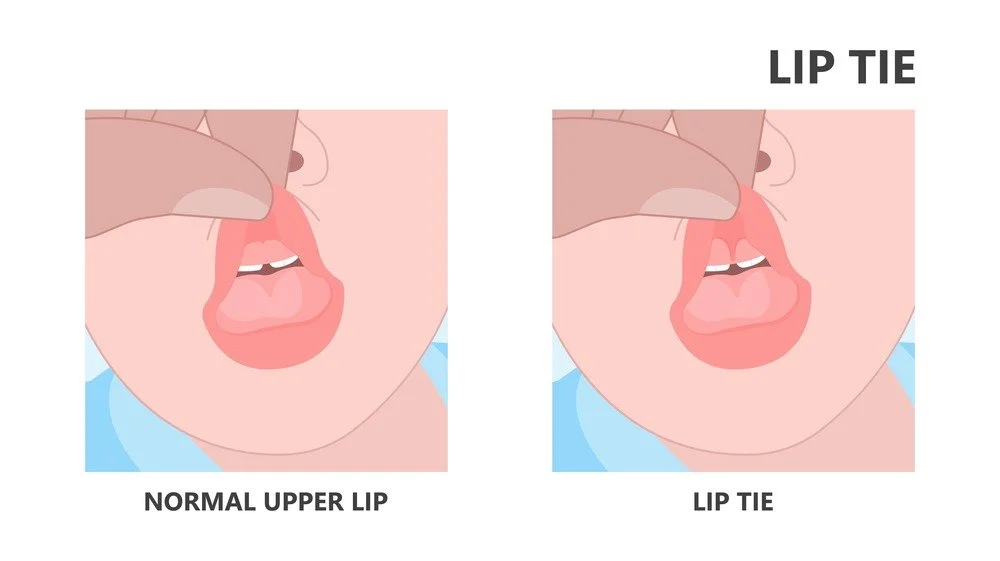
Tongue tie, whether anterior or posterior, doesn't exist in isolation. By the time a client reaches you, there's usually a layered picture: restricted tissue, compensatory movement patterns, oral motor dysfunction, and in many cases, a nervous system that's been working overtime to manage it all.
A frenectomy addresses the structural restriction. It doesn't automatically resolve the compensation patterns, the tension in surrounding tissue, or the nervous system involvement. That's where your work as an SLP comes in. And that's where laser can make a meaningful difference.
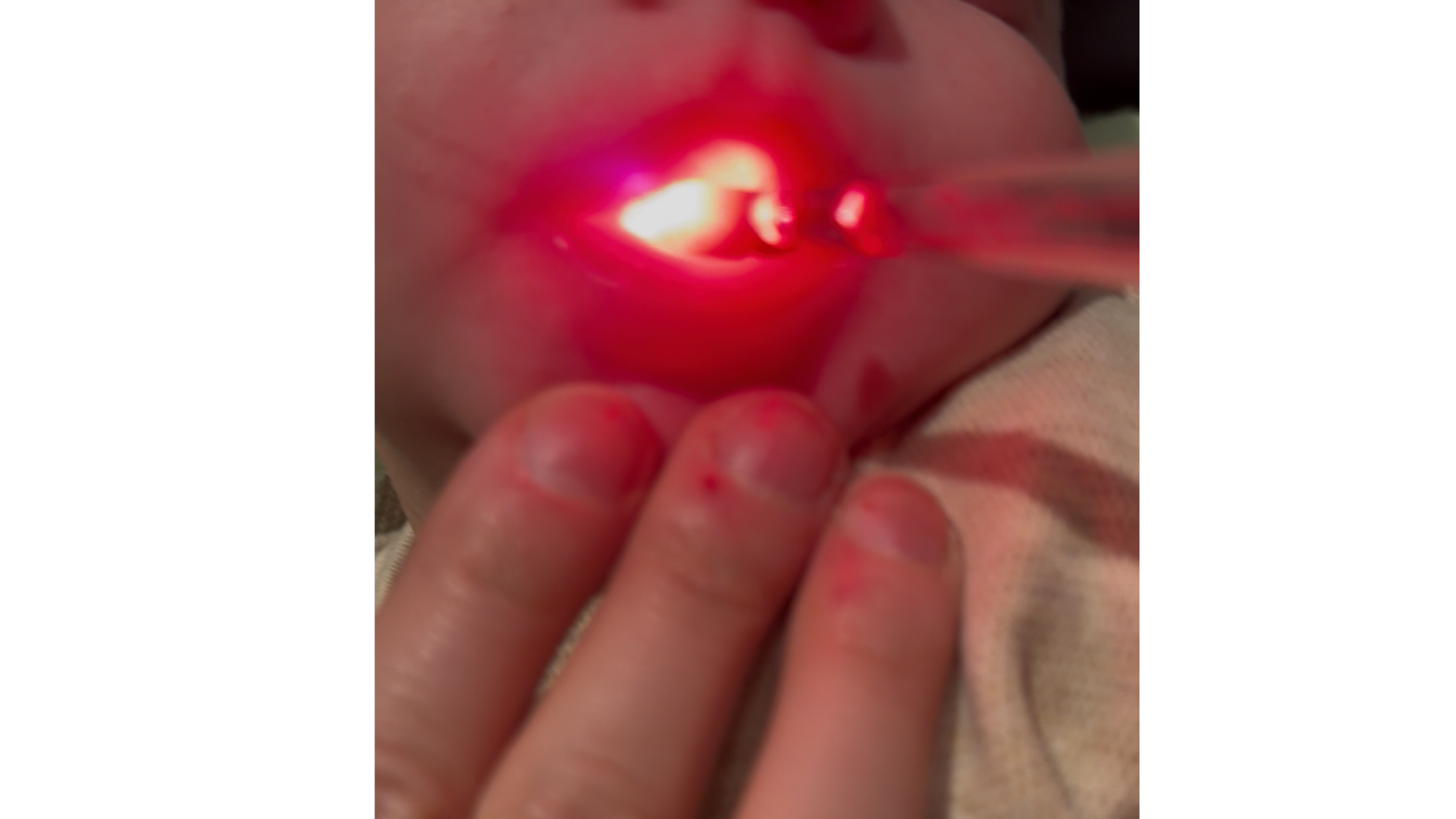
Photobiomodulation works at the cellular level. It uses specific wavelengths of light to stimulate mitochondrial activity, increase ATP production, and trigger a cascade of effects that include reduced inflammation, improved circulation, accelerated tissue repair, and nervous system regulation. None of that requires heat or invasive contact. It's gentle enough for infants and effective across every age group you work with.
Before the Frenectomy: What Laser Can Do
Pre-op laser work is one of the most clinically meaningful things you can add to a tongue tie case. Here's what it's actually doing.
Reducing existing inflammation. Tethered oral tissues often present with surrounding inflammation from years of compensatory tension. Even in infants, you can see it in how they hold their jaw, how they manage latch, and how their tissue looks. Laser helps bring that inflammation down before the procedure, which means the site is in better condition going in.
Preparing the tissue. There's some evidence that photobiomodulation preconditions tissue for healing. When the tissue is already in an optimal state before the release, post-op recovery tends to be smoother. Families often report less post-procedure swelling and discomfort when laser has been used beforehand.
Calming the nervous system. This one matters more than it sounds. Many tongue tie clients, especially infants and young children, present with significant nervous system dysregulation. Feeding aversion, hypersensitivity, difficulty with oral motor tasks. Laser has a documented effect on the autonomic nervous system and can help shift a client into a more regulated state before you're asking their system to go through a procedure.
Building your clinical relationship. Pre-op sessions give you time with the client and family. You're building trust, establishing baseline function, and setting expectations. Bringing laser into those sessions gives families something tangible to hold onto before the procedure.
After the Frenectomy: Where Laser Really Shines
Post-frenectomy is where most SLPs find the most immediate application for laser, and for good reason.
Accelerating wound healing. This is the most direct application. After a laser frenectomy or scissor release, the tissue needs to heal, and the goal is clean, functional healing without excessive scar tissue formation. Photobiomodulation increases fibroblast activity and collagen synthesis, which supports faster, higher-quality tissue repair.
Reducing scar tissue formation. Reattachment is one of the most common concerns families have post-frenectomy, and for good reason. Scar tissue that forms in a disorganized way can limit range of motion just as the original tie did. Laser applied during the healing window helps guide tissue repair in a way that reduces the likelihood of problematic scar formation.
Managing post-op discomfort. Families are often nervous about the post-procedure period. Laser reduces pain and inflammation at the site, which can make wound care, stretches, and feeding attempts more tolerable, especially in those first few days. That means better compliance with your home program.
Supporting oral motor integration. Here's something that doesn't get talked about enough. Releasing the tie gives the tongue new freedom of movement, but the client's motor system doesn't automatically know what to do with it. The neuromuscular patterns that developed around the restriction are still running. Laser supports neurological function and tissue health in a way that can help the system integrate new movement more readily. Pair that with your oral motor work and you're addressing both the physical and neurological sides of the picture.
Nervous system regulation post-procedure. The procedure itself is a significant sensory event, especially for infants. Some clients come out of it in a pretty activated state. Laser in the days following can help support vagal regulation and bring the nervous system back to a more settled baseline, which makes your post-op feeding and motor work more effective.
What This Looks Like in Practice
You don't need to overhaul your workflow to integrate laser. For tongue tie cases, it fits naturally into the sessions you're already doing. Pre-op, it becomes part of your preparation protocol. Post-op, it's a component of your healing and integration sessions. The time commitment is minimal. The clinical lift is significant.
SLPs who add laser to their tongue tie work consistently report that families notice a difference in the post-op period. Less discomfort, faster healing, and children who are more willing to engage with the oral motor work that follows.
Ready to Bring Laser Into Your Practice?
If you've been watching the laser conversation from the sidelines, this is a good time to step in
RESTORE: Laser Therapy for SLPs is a live virtual training built specifically for SLPs. It covers the science of photobiomodulation, condition-specific protocols for the populations you already see (including tongue tie and post-frenectomy), and everything you need to start using laser in your sessions with confidence.
The Summer Cohort starts July 8. There are only 10 spots. Learn more and claim your spot here.