Baby bottle refusal: why it happens and how to help
If your baby refuses bottle after bottle no matter how many times you try, you're not alone and you haven't done anything wrong. Bottle refusal is one of the most common (and most stressful) challenges new parents face, especially when a return to work, a night out, or a partner's turn at feeding is on the horizon.
The good news: bottle refusal is almost always solvable. It's rarely about the baby being "difficult". It's about a mismatch between what your baby expects and what the bottle is offering. Once you understand the why, the how to fix it becomes much clearer.
This guide breaks down the most common causes of bottle refusal in breastfed babies and newborns, and walks through practical, tested techniques to help your baby take a bottle with less stress for everyone.
What Counts as Bottle Refusal?
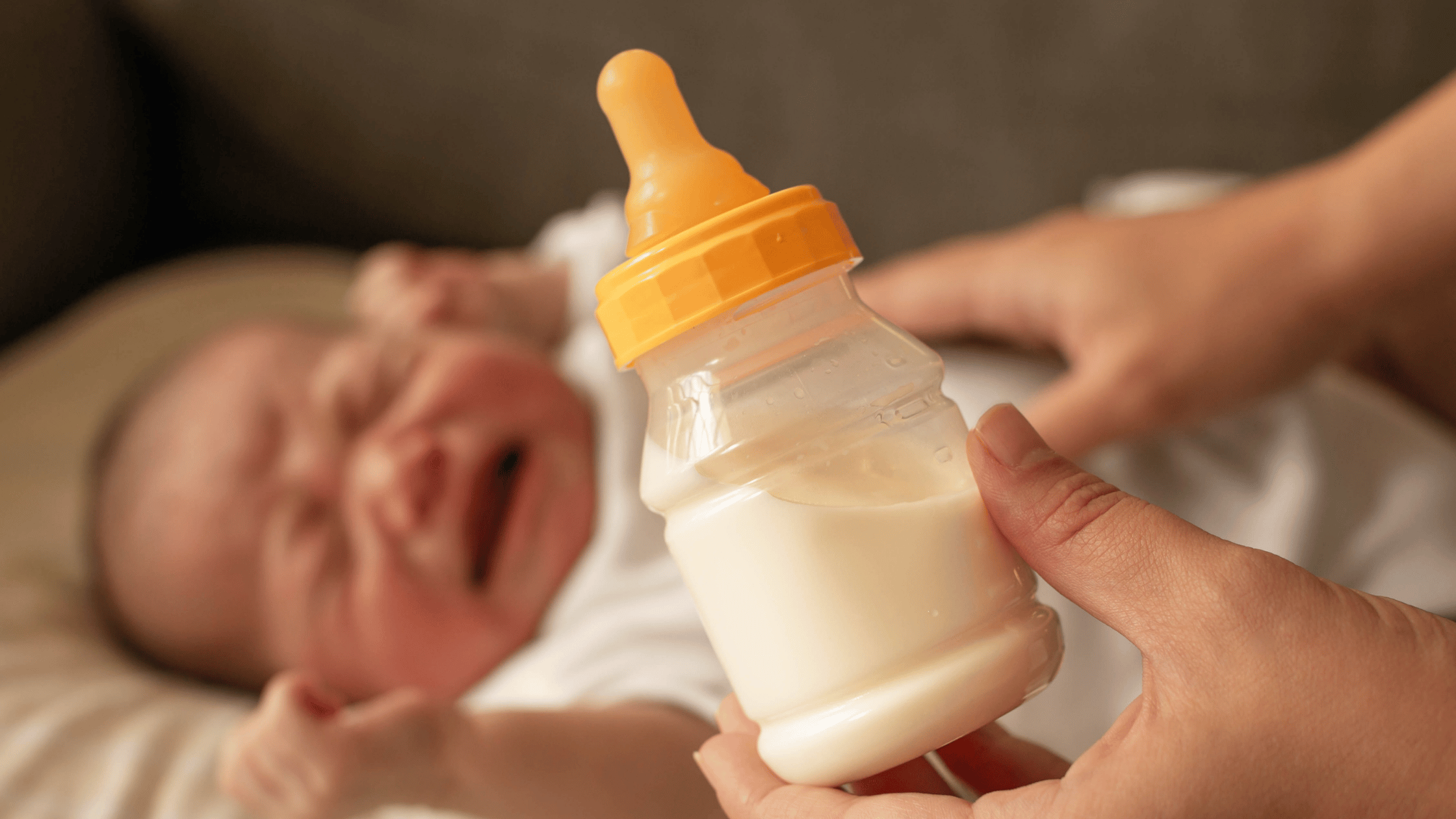
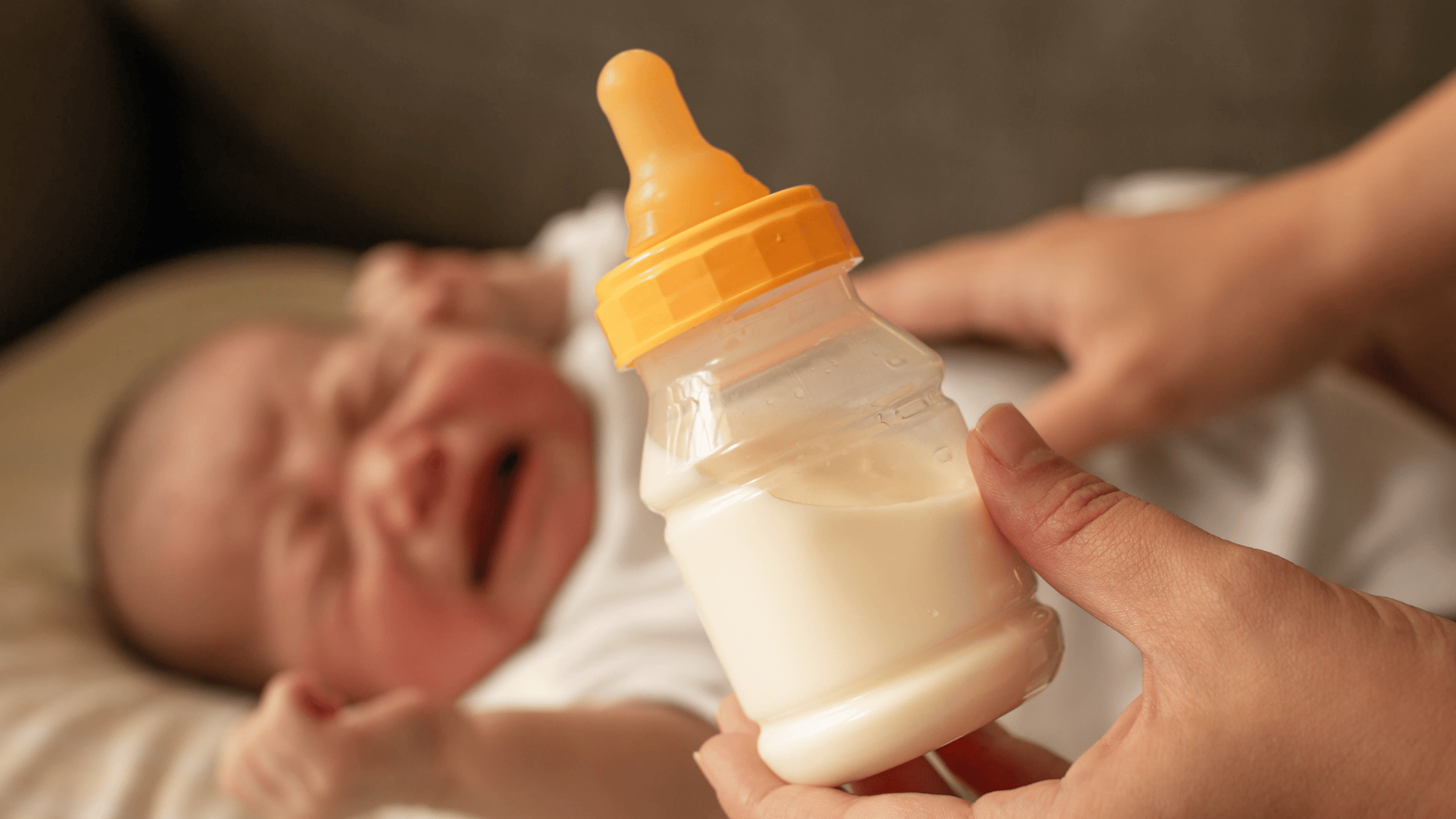
Bottle refusal can look different from baby to baby. Some signs include:
Turning their head away from the bottle nipple
Crying or arching their back when the bottle approaches
Accepting the bottle but not actually swallowing (just holding milk in their mouth)
Falling asleep to avoid feeding
Taking only an ounce or two before refusing more
If any of this sounds familiar, know that it's a normal developmental and behavioral hiccup — not a sign of a lasting feeding problem.
Why Do Babies Refuse the Bottle?
1. Bottle Refusal in Breastfed Babies: A Preference, Not Stubbornness
Bottle refusal in a breastfed baby is often about comfort and association, not the milk itself. Breastfed babies are used to:
Warm skin-to-skin contact
A specific flow rate that adjusts to their sucking
The smell and taste of mom's skin and milk
Being fed by the same person, in the same position, every time
A bottle — even one filled with pumped breast milk — removes almost all of these familiar cues. The nipple shape, flow speed, and feeding position are all different, and some babies are simply more sensitive to that change than others.
Common trigger: Many breastfed babies refuse a bottle specifically when mom offers it, but will happily take it from another caregiver. This isn't rejection — it's your baby smelling you and expecting the breast, then feeling confused when it doesn't show up.
2. Bottle Refusal in Newborns: Still Learning How to Feed
Bottle refusal in a newborn often comes down to basic mechanics and timing:
Immature sucking reflex. Newborns are still developing coordination between sucking, swallowing, and breathing. A fast-flowing nipple can overwhelm them; a slow one can frustrate them.
Nipple confusion. Introducing a bottle too early (or too suddenly) can disrupt a newborn's latch pattern if breastfeeding is also being established.
Timing sensitivity. Newborns have narrow windows of "hungry but calm." Wait too long and they're too upset to try something new; feed too early and they're not motivated to work for it.
3. Flow Rate Mismatch
A nipple that flows too fast can cause gagging, coughing, or choking, leading babies to associate the bottle with discomfort. One that flows too slow can make a hungry baby frustrated within seconds. Getting the flow rate right is one of the most overlooked fixes for bottle refusal.
4. Temperature and Taste Differences
Breast milk straight from the breast is body-temperature and slightly sweet-tasting due to enzymes that continue breaking down fats after pumping. Bottle-fed milk that's too cold, too hot, or has been stored a long time (developing a "soapy" taste from lipase activity) can be an instant turn-off.
5. A Growth Spurt, Illness, or Teething
Sometimes bottle refusal has nothing to do with the bottle at all. A stuffy nose, sore gums, an ear infection, or a growth spurt can all cause a temporary feeding strike — at the breast or the bottle.
6. Emotional and Sensory Overload
New environments, unfamiliar caregivers, background noise, or being offered the bottle while overtired or overstimulated can all contribute to refusal, particularly in sensitive babies.
How to Help a Baby Who Refuses the Bottle
Start Early, But Not Too Early
For breastfed babies, most lactation consultants recommend introducing a bottle around 3–4 weeks — after breastfeeding is well established, but before the baby develops a strong, exclusive preference. Waiting until closer to a return to work (6+ weeks) can make the transition harder.
Let Someone Else Offer the First Bottles
Since breastfed babies often associate mom with breastfeeding, have a partner, grandparent, or caregiver offer the bottle instead — ideally while mom is out of the room (and out of smelling range).
Match the Nipple Flow to Your Baby's Needs
Choose a slow-flow nipple for newborns and young infants, and pay attention to how your baby handles it. Signs the flow is wrong include milk dribbling out the sides, gulping and choking, or long pauses of frustration.
Try Paced Bottle Feeding
Paced bottle feeding mimics the natural stop-and-start rhythm of breastfeeding:
Hold the bottle horizontally rather than tipped up.
Let your baby draw milk in actively rather than letting gravity do the work.
Pause every 20–30 seconds to let baby "catch up," just as they would at the breast.
This technique reduces overwhelm and helps babies feel more in control — often the missing piece for babies who resist the bottle's faster, more passive flow.
Warm the Milk and Check for Off Tastes
Warm the bottle to close to body temperature and give the milk a quick smell/taste test yourself if you suspect a soapy smell from lipase breakdown. If that's the issue, scalding milk briefly before storing it can help in future batches.
Change the Position and Setting
Try feeding in a different room, a different chair, or a different hold than usual (like facing outward instead of the classic cradle hold). Sometimes breaking the "this equals breastfeeding" association is enough.
Offer the Bottle Before Baby Is Overly Hungry
A baby who is frantic with hunger is less likely to patiently explore something unfamiliar. Offer the bottle at the first hunger cues — rooting, hand-to-mouth, smacking lips — rather than waiting for a full-blown cry.
Try "Bait and Switch"
Start breastfeeding, then swap in the bottle once your baby is calm and actively sucking. Over several days, offer the bottle earlier and earlier in the feeding.
Be Patient and Keep Sessions Low-Stress
Avoid forcing the nipple into your baby's mouth or continuing past frustration — this can create a negative association that makes future refusal worse. Short, calm, low-pressure attempts spaced throughout the day tend to work better than one long, stressful session.
When to Check In With a Professional
Reach out to your pediatrician or a lactation consultant if:
Your baby refuses both breast and bottle
There are signs of dehydration (fewer wet diapers, lethargy)
Refusal is paired with poor weight gain
You notice gagging, arching, or distress that seems pain-related (which can point to reflux or an oral motor issue)
These situations are less common but worth ruling out with expert guidance.
Frequently Asked Questions
Why does my breastfed baby refuse the bottle only when I try to feed them?
Babies associate their mother's scent and presence with breastfeeding. Having another caregiver offer the bottle while mom is out of the room often resolves this quickly.
How long does bottle refusal usually last?
With consistent practice, most babies accept a bottle within one to two weeks. Some take longer, especially if introduced later or during a developmental leap.
Should I let my baby go hungry until they take the bottle?
No. Never withhold food to force bottle acceptance. This can create fear and worsen refusal. Instead, use gentle, incremental exposure paired with a calm, low-stress environment.
Can bottle refusal mean something is medically wrong?
Usually not, but persistent refusal combined with poor weight gain, dehydration signs, or visible pain during feeds should be evaluated by a pediatrician or lactation consultant.
The Bottom Line
Bottle refusal whether in a newborn just learning to feed or a breastfed baby with strong preferences is almost always a fixable mismatch between expectation and experience, not a lasting rejection. With the right nipple flow, pacing technique, timing, and a little patience, most babies learn to accept a bottle within a couple of weeks of consistent, low-pressure practice.
Still Struggling with Bottle Refusal?
Every baby is different, and sometimes it helps to have a feeding expert look at what's really going on. If you'd like personalized, one-on-one guidance to get your baby comfortable with a bottle, book a free discovery call — we'll talk through your baby's specific feeding history and put together a simple plan that works for your family.