Myofunctional therapy for kids: what parents need to know
If your child's dentist, pediatrician, or orthodontist has mentioned myofunctional therapy for children, you're probably left with more questions than answers. What does it actually treat? Is it necessary, or just another add-on service? And how do you know if your child needs it?
This guide breaks down what myofunctional therapy is, who it helps, and how the process works so you can make an informed decision for your child.
What Is Myofunctional Therapy?
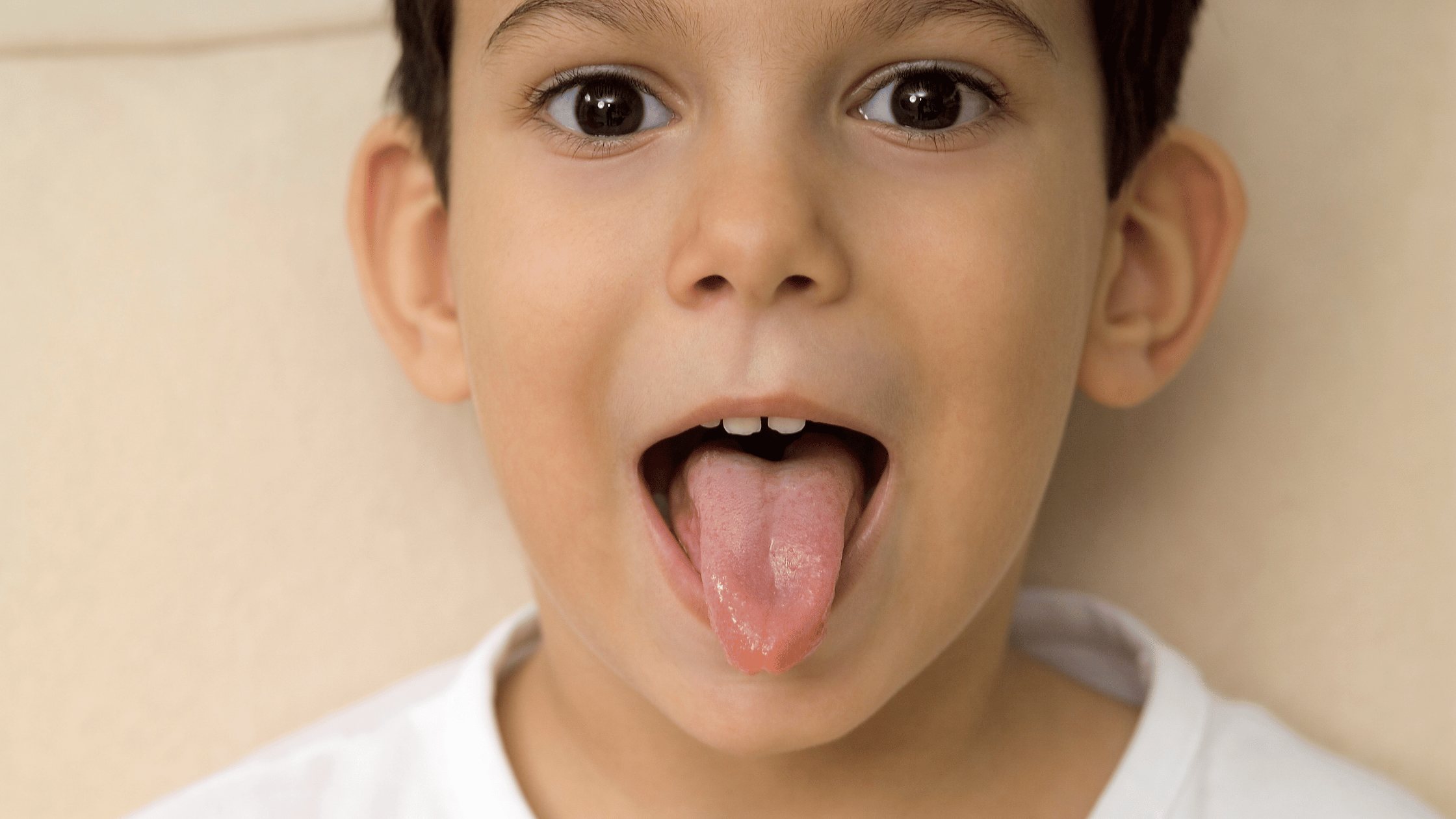
Myofunctional therapy is a set of targeted exercises designed to retrain the muscles of the face, mouth, and throat. It addresses what's known as orofacial myofunctional disorders patterns like tongue thrust, mouth breathing, improper tongue posture, and poor swallowing habits that can affect a child's oral development, speech, and even sleep.
In children specifically, this approach is often called pediatric OMT (orofacial myofunctional therapy). Because kids' jaws and facial structures are still growing, catching and correcting these muscle patterns early can prevent bigger problems down the road including relapse after orthodontic treatment.
Signs Your Child Might Benefit
Parents often notice these signs before a specialist points them out:
Mouth breathing, even when not congested
Snoring or restless sleep
Tongue resting low or forward, pushing against the teeth
Speech issues, particularly with sounds like "s," "z," "th," or "l"
Thumb-sucking or pacifier use past age 3–4
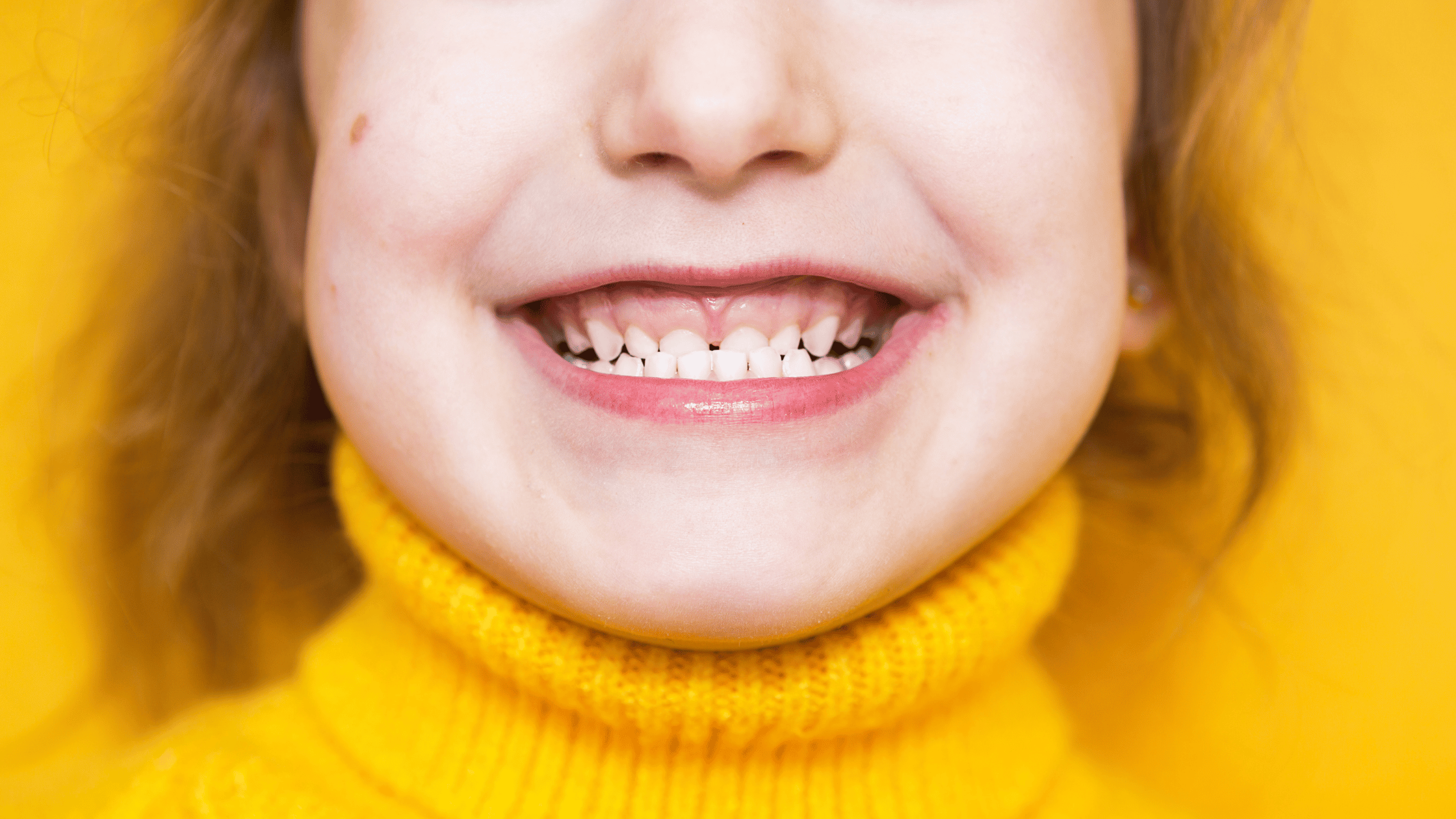
Open bite, crowded teeth, or a narrow palate
Difficulty chewing or swallowing certain foods
Any one of these on its own isn't necessarily cause for alarm, but a cluster of them is worth mentioning to your child's dentist or pediatrician.
How It Works
Understanding how it works helps set realistic expectations for families starting the process. Pediatric myofunctional therapy generally follows a few key phases:
1. Evaluation
A certified myofunctional therapist assesses your child's tongue posture, breathing patterns, swallowing mechanics, and facial muscle tone. This often involves observing how your child breathes at rest, swallows, and speaks.
2. Individualized Exercise Plan
Based on the evaluation, the therapist builds a program of exercises often gamified for younger kids that target the specific muscles involved. Common exercises include:
Tongue-to-palate resting exercises
Lip-seal strengthening
Breathing retraining (nose vs. mouth)
Swallowing pattern correction
3. Practice and Reinforcement
Most programs involve short daily exercises at home (often 10–15 minutes), combined with weekly or biweekly sessions with the therapist. Consistency matters more than intensity. This is a retraining process, not a quick fix.
4. Progress Monitoring
Therapists track improvements in tongue posture, breathing, and swallowing over weeks and months, adjusting the plan as habits change.
5. Coordination With Other Providers
Myofunctional therapy frequently works alongside orthodontics, ENT care, or speech therapy. For kids with airway or bite issues, it's common for a therapist to coordinate directly with your child's dentist or orthodontist.
How Long Does It Take?
Timelines vary, but many pediatric programs run anywhere from 6 months to a year, depending on the severity of the habit and how consistently exercises are practiced at home. Because habits formed over years take time to unlearn, patience is part of the process.
Is It Covered by Insurance?
Coverage varies widely by provider and diagnosis. Some insurance plans cover myofunctional therapy when it's tied to a documented medical need (like a diagnosed airway or speech disorder), while others treat it as an out-of-pocket service. It's worth checking with your insurer and asking your provider for the correct billing codes ahead of time.
Questions to Ask a Prospective Therapist
What certification do you hold, and how many pediatric cases have you treated?
What does a typical home exercise routine look like for my child's age?
How will you coordinate with our dentist/orthodontist/ENT?
What results should we realistically expect, and by when?
The Bottom Line
Myofunctional therapy for children isn't a fad. It's a structured, evidence-informed way to correct oral muscle patterns that can affect breathing, speech, sleep, and dental development.
If your child shows signs of mouth breathing, tongue thrust, or related habits, an evaluation with a qualified pediatric myofunctional therapist is a reasonable first step, often taken alongside your family dentist or orthodontist.